
Lifestyle changes and yoga can lower blood pressure by a modest but real amount, and for some people with mildly raised readings that may be enough. For others, especially those with high readings or existing heart, kidney or diabetes problems, medication is essential.
Starting yoga or a naturopathy programme does not mean that prescribed blood pressure medication should be stopped. Stopping blood pressure tablets without medical advice can be dangerous.
At Janani Yoga & Naturopathy Hospital, lifestyle support can be incorporated alongside appropriate medical care, with the programme adapted according to a person's health condition, current medicines and blood pressure readings.
Key Points
High blood pressure usually causes no symptoms, so measuring it is the only way to know.
Hypertension is diagnosed when readings are 140/90 mmHg or higher on repeated measurement.
Salt reduction, weight loss, physical activity, less alcohol and avoiding tobacco can help lower blood pressure.
Studies of yoga and breathing practices show small to moderate reductions.
Medicines can help prevent strokes, heart attacks and kidney damage and should not be stopped without medical advice.
Very high readings accompanied by headache, chest pain, breathlessness, weakness or confusion require urgent medical care.
What Does High Blood Pressure Mean?
Blood pressure is written as two numbers.
The first number is systolic pressure, which represents the pressure when the heart beats.
The second is diastolic pressure, which represents the pressure between heartbeats.
The World Health Organization notes that hypertension is diagnosed when systolic pressure is 140 mmHg or higher and/or diastolic pressure is 90 mmHg or higher on two different days. Your doctor may use different thresholds depending on your other health risks.
The problem with high blood pressure is that it often doesn't produce noticeable symptoms.
Someone can feel completely normal while consistently having elevated blood pressure.
Over time, sustained high pressure can damage blood vessels and increase the risk of serious complications. WHO notes that reducing hypertension helps prevent heart attack, stroke and kidney damage.
That is why regular blood pressure measurement is important, even when you feel well.
When Is Blood Pressure Medication Essential?
This is one area where lifestyle changes and naturopathy should not be presented as alternatives to necessary medical treatment.
Medication is usually needed, often alongside lifestyle changes, when:
Blood pressure readings remain consistently well above the diagnostic threshold
You have diabetes
You have kidney disease
You have heart disease
You have previously experienced a stroke
There are signs of organ damage
Lifestyle measures alone have not brought your readings to the desired level after a reasonable period, as judged by your doctor
Already taking blood pressure medication?
A few things are particularly important.
Do not stop your medication because your readings look normal.
Your readings may be normal because the medicine is working.
Do not reduce the dose yourself.
Suddenly stopping or reducing some medicines can cause blood pressure to rise again.
Do not replace prescribed medication with herbs or supplements without medical advice.
Some herbal products and supplements can interact with blood pressure medicines or affect blood pressure themselves.
If lifestyle changes improve your blood pressure, your doctor may eventually reduce your medication.
But that decision should be made by the prescribing doctor based on monitored blood pressure readings.
Lifestyle Changes That Can Help Lower Blood Pressure
Lifestyle changes can have a meaningful role in blood pressure management.
1. Reduce Salt
Reducing salt intake is one of the important lifestyle measures for blood pressure.
Indian diets can contain substantial amounts of salt, including salt that comes from foods people may not immediately consider salty.
Common sources include:
Pickles
Papad
Namkeen
Packaged snacks
Instant noodles
Processed foods
Salt added during cooking
Salt added at the table
WHO advice is to keep salt intake to around 5 g per day, approximately one level teaspoon.
The exact recommendation may vary depending on a person's health condition, so people with kidney disease or other medical conditions should discuss dietary changes with their doctor.
For structured nutritional guidance, see Janani's Diet & Nutrition Therapy.
2. Maintain a Healthy Weight
For people with higher body weight, even modest weight loss can help lower blood pressure.
The aim should not necessarily be rapid weight loss.
Instead, sustainable eating habits and regular physical activity are more useful for long-term health.
3. Stay Physically Active
Around 150 minutes of moderate physical activity per week, such as brisk walking or an equivalent activity, is commonly recommended.
If you are currently inactive, it is sensible to build up gradually rather than suddenly starting intense exercise.
The appropriate level of activity can also depend on your current health and fitness.
4. Limit Alcohol and Avoid Tobacco
Alcohol can contribute to higher blood pressure, while tobacco damages blood vessels and increases cardiovascular risk.
Avoiding tobacco and limiting alcohol are therefore important parts of overall blood pressure management.
5. Eat More Fruits, Vegetables and Pulses
A dietary pattern rich in vegetables, fruits, whole grains and pulses has been widely studied for blood pressure management.
DASH-style eating is one example.
However, potassium-rich foods aren't automatically appropriate for everyone. People with kidney disease or those taking certain medicines should discuss potassium intake with their doctor before making significant dietary changes.
6. Pay Attention to Sleep and Stress
Poor sleep and chronic stress are associated with higher blood pressure.
Improving sleep habits and finding sustainable ways to manage stress can therefore be useful parts of a broader lifestyle plan.
At Janani, lifestyle support can include meditation, breathing practices, yoga and structured daily routines alongside diet and physical activity.
How Much Can Lifestyle Change Lower Blood Pressure?
The effect varies from person to person.
An Indian systematic review of 14 studies found that lifestyle interventions lowered systolic blood pressure by an average of approximately 4.8 mmHg and diastolic blood pressure by approximately 2 mmHg compared with usual care.
That may sound modest for an individual, but even relatively small reductions can be meaningful at a population level, particularly when combined with appropriate medical treatment.
Can Yoga and Breathing Exercises Lower Blood Pressure?
Yes, but the effect should be kept in perspective.
The same Indian review found that yoga and meditation-based approaches showed some of the larger reductions among the lifestyle interventions studied.
However, the number of trials was modest and the quality of evidence varied.
More recent US guidance is also measured in its interpretation. It reports moderate-grade evidence that breathing-control interventions can reduce systolic and diastolic blood pressure by approximately 5 and 3 mmHg, respectively, while the evidence for different forms of yoga is low to moderate grade.
A practical way to understand the evidence:
Slow breathing and yoga can lower blood pressure somewhat.
The effect is real but generally modest.
Yoga is not a replacement for medication when medication is medically indicated.
Regular practice matters more than occasional sessions.
Some breathing and yoga practices may not be appropriate when blood pressure is uncontrolled.
For example, breath-holding, forceful breathing and prolonged inverted or head-down positions may need to be avoided unless your doctor has approved them.
At Janani, Yoga Therapy and Pranayama & Breathing Therapy can be incorporated according to an individual's condition.
How to Measure Blood Pressure at Home
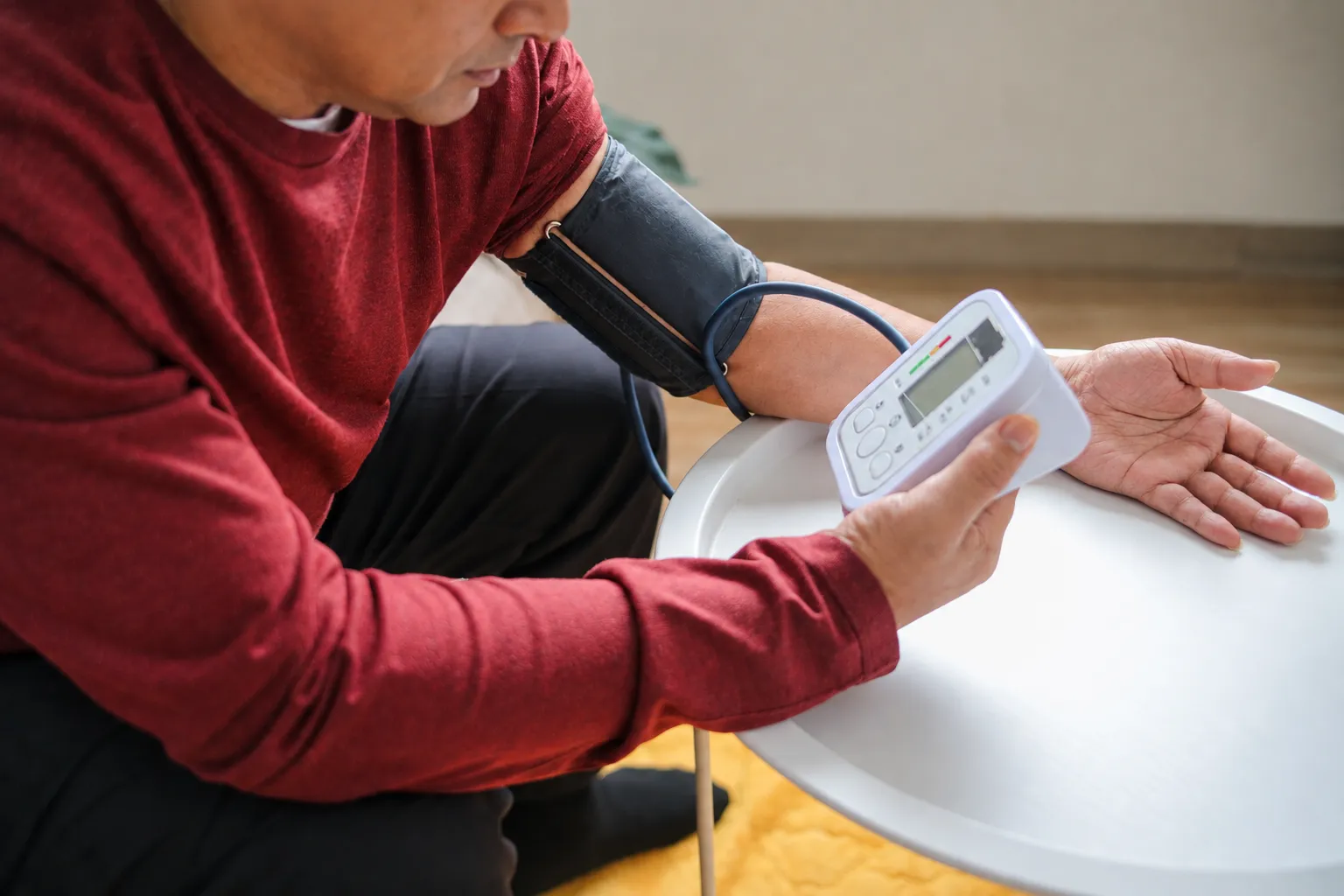
Home monitoring can provide a better picture of your usual blood pressure than relying on a single reading at a clinic.
It can also give your doctor useful information when deciding whether treatment needs adjustment.
Step 1: Use the right monitor
Use a validated automatic upper-arm blood pressure monitor with the correct cuff size.
Step 2: Prepare before measuring
Avoid:
Caffeine
Tobacco
Exercise
for around 30 minutes beforehand.
Step 3: Sit quietly
Sit for approximately five minutes before taking the measurement.
Keep your:
Back supported
Feet flat on the floor
Arm resting at heart level
Step 4: Take two readings
Take two readings about one minute apart.
The source guidance recommends measuring in the morning, before medicines, and again in the evening.
Step 5: Keep a record
Record your readings for approximately seven days and share the log with your doctor.
Step 6: Don't change medication yourself
Don't increase, decrease or stop your medication simply because of the numbers you're seeing at home.
Medication decisions should be made with your doctor.
How Janani Approaches High Blood Pressure
At Janani Yoga & Naturopathy Hospital, doctors address lifestyle-related conditions, including hypertension, through consultation, diet counselling, yoga therapy and naturopathic treatments.
The initial consultation considers:
Your health history
Current medicines
Previous blood pressure readings
Relevant medical reports
Your current lifestyle
The programme can then focus on lifestyle measures that have evidence behind them, including:
A lower-salt, whole-food diet
Regular physical activity
Gentle yoga
Appropriate breathing practices
Meditation
Stress management
Better sleep
Depending on the individual's condition, supportive therapies such as hydrotherapy and massage may also be used for relaxation.
Hot applications and strenuous practices are approached cautiously in people with raised blood pressure.
For more information, you can explore Janani's Hypertension health page, Yoga Therapy, Pranayama & Breathing Therapy, and Diet & Nutrition Therapy.
Two Principles That Should Always Apply
1. Continue prescribed medication
If you are already taking blood pressure medication, continue it unless the doctor who prescribed it advises otherwise.
A naturopathy or yoga programme should not be used as a reason to independently stop medication.
2. Know when to seek medical care
If blood pressure readings are very high or you develop warning symptoms, seek appropriate medical care rather than continuing with a therapy session or trying to manage the situation through breathing exercises alone.
Warning Signs That Need Urgent Care
High blood pressure itself may not cause symptoms, but very high blood pressure accompanied by certain symptoms can indicate a medical emergency.
Seek emergency care immediately if high blood pressure occurs with:
Severe or sudden headache
Chest pain or pressure
Breathlessness
Weakness or numbness on one side
Drooping of one side of the face
Difficulty speaking
Confusion
Vision changes
Do not wait for a naturopathy treatment session or try breathing exercises instead of seeking emergency medical care.
Frequently Asked Questions
Can yoga cure high blood pressure?
No.
Yoga can help lower blood pressure modestly and can support other lifestyle measures, but it does not cure hypertension.
Can I stop my blood pressure tablets if my readings become normal?
No, not without speaking to your doctor.
Normal readings may mean that your current treatment is working. Any reduction or discontinuation should be planned with the prescribing doctor.
How much salt should I eat per day?
WHO advice is approximately 5 g of salt per day or less.
However, your doctor may recommend a different limit depending on your health conditions and medications.
Is pranayama safe if I have high blood pressure?
Slow, gentle breathing is generally considered safer than forceful techniques.
People with high blood pressure should be cautious with breath-holding, forceful breathing and rapid breathing unless these practices have been specifically approved by their doctor.
How quickly can lifestyle changes lower blood pressure?
Some changes can begin to affect blood pressure within weeks, but sustained improvement generally requires consistent lifestyle changes over time.
Results vary between individuals.
Are herbal remedies safe with blood pressure medication?
Not necessarily.
Some herbs and supplements can interact with blood pressure medicines or affect blood pressure.
Always tell your doctor about any supplements, herbal products or other medicines you are taking.
Does stress cause permanent high blood pressure?
Stress can temporarily increase blood pressure, and chronic stress is associated with higher readings over time.
Managing stress can therefore be useful, but it is only one factor. Salt intake, weight, physical activity, sleep, genetics and other health factors also influence blood pressure.
Conclusion
Lifestyle change, yoga and breathing practices can be worthwhile parts of blood pressure care.
For some people with mild elevation, lifestyle changes may make a substantial difference. For many others, particularly people with consistently high readings or other cardiovascular, kidney or metabolic risks, medication remains an important part of treatment.
The goal isn't simply to lower a number on a blood pressure monitor. The bigger goal is to protect the heart, brain and kidneys from the long-term effects of uncontrolled hypertension.
A safe approach combines appropriate medical care with sustainable lifestyle changes, under proper supervision.
If you are looking for structured lifestyle support, you can learn more about Janani's hypertension approach or book a consultation.