


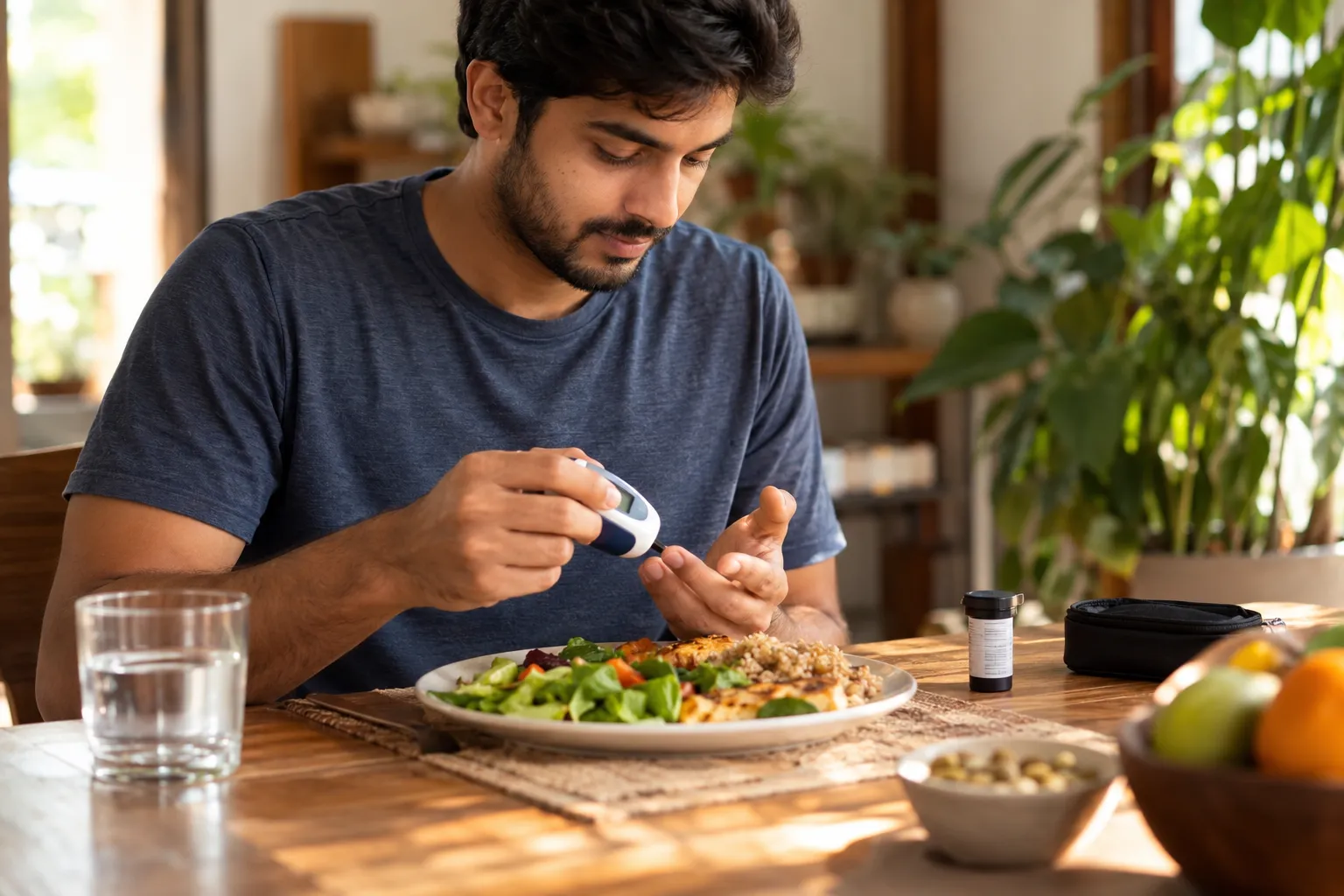
Diabetes is a long-term health condition that requires consistent attention to food, physical activity, medication when prescribed, sleep, stress and regular health monitoring. Because so many everyday habits can influence overall metabolic health, people often look for a broader lifestyle approach rather than focusing on a single change.
This is where interest in naturopathy for diabetes comes in. Naturopathy generally places emphasis on natural lifestyle practices such as balanced nutrition, appropriate physical activity, yoga, breathing practices, rest and stress management. These approaches can be considered as supportive components of a diabetes-care plan when they are personalised and professionally supervised.
Janani Yoga & Naturopathy Hospital in Harapanahalli, Karnataka, provides a residential setting focused on yoga and naturopathy. The hospital's public information describes a 100-bed residential facility and a lifestyle-oriented approach involving food, nature and breath. For people considering a naturopathy program, the important principle is that lifestyle care should complement appropriate medical management rather than replace prescribed treatment.
What Is Naturopathy and How Does It Approach Diabetes?
Naturopathy takes a whole-person view of health. Instead of concentrating only on a symptom or a single measurement, a naturopathy program may look at daily food habits, activity, sleep, stress, breathing, routine and other lifestyle factors.
This perspective can be relevant to diabetes because everyday behaviour is an important part of long-term management. A person may need to understand portion sizes, meal patterns, movement, sleep and stress while also following their prescribed medical plan.
A responsible naturopathy program should begin with an individual assessment. Age, diabetes type, medication, glucose patterns, physical fitness and existing complications can all affect which lifestyle practices are appropriate. Natural therapies are not automatically safe or suitable for every person.
Why Daily Habits Matter in Diabetes Management
Diabetes management happens every day, not only during a clinic appointment. Small habits can add up over time. Planning meals, staying physically active, getting adequate sleep and following a medication schedule can make a long-term care plan easier to maintain.
Regular movement is especially important for overall health. Depending on the individual's condition, this may include walking, yoga, strength exercises or other suitable activities. People using medication that can lower blood glucose may need specific guidance about exercise and meal timing.
Sleep and stress deserve attention too. Fatigue can make healthy routines harder to follow, while stress may influence eating patterns and activity levels. A structured lifestyle program can create an environment in which these habits are easier to practise consistently.
Nutrition and a Diabetes-Friendly Lifestyle
Nutrition is one of the most important areas of lifestyle management for people with diabetes. A healthy eating pattern should be balanced, practical and appropriate for the individual's medical needs.
Rather than focusing only on eliminating one food, it can be more useful to consider the overall pattern of meals. Vegetables, fibre-rich foods, suitable protein sources, healthy fats and appropriate carbohydrate portions can form part of a balanced plan. Meal timing and portion sizes may also need attention.
A personalised diet plan is particularly important for people who take diabetes medication. Major changes in food intake can affect glucose levels and may require medication adjustments. Any significant dietary change should therefore be discussed with the healthcare professional managing the person's diabetes.
How Yoga May Fit Into a Diabetes Routine
Yoga can combine physical movement, breathing and relaxation. For someone living with diabetes, a suitable yoga routine may be one way to increase regular physical activity while also developing a consistent mind-body practice.
The goal does not have to be advanced postures. Gentle mobility, controlled movement, breathing and relaxation may be more appropriate for beginners, older adults or people with physical limitations.
Yoga should be adapted to the person's health status. Someone with cardiovascular disease, neuropathy, eye complications, joint problems or other conditions may need modifications. A qualified professional can help select appropriate practices.
Stress Management, Sleep and Routine
Managing diabetes can sometimes feel demanding. A person may need to monitor glucose, plan meals, take medicines, attend appointments and make time for physical activity. Stress management can therefore be a useful part of a sustainable routine.
Breathing exercises, relaxation practices and yoga may help create a calmer daily rhythm. Good sleep habits can also support energy and consistency.
These practices should be viewed as supportive lifestyle measures. They do not replace medical treatment or glucose monitoring, but they can help create a healthier overall routine.
Why Professional Supervision Matters
A diabetes program should take the person's medical history into account. This is especially important for people who have kidney, heart, eye or nerve complications, frequent episodes of low blood glucose, or other significant conditions.
Professional supervision can help determine what type of activity, diet and therapy is appropriate. It can also help identify situations in which medical evaluation is required.
A residential naturopathy program may provide a structured schedule for meals, yoga, rest and selected therapies. The most valuable part of such a program is often the opportunity to learn practical habits that can continue after returning home.
Practical Questions to Ask Before Starting a Program
If you are considering naturopathy for diabetes, ask how the program will fit with your current medical care. Find out whether your medicines will be considered, how your diet will be personalised, what exercise is recommended and how your health will be monitored.
Keep a list of your medicines, recent reports and relevant medical history when attending a residential program. Tell the healthcare team about any previous episodes of low blood glucose, allergies, complications or other conditions.
Most importantly, do not stop insulin or other prescribed medicines because a wellness program makes you feel better. Medication changes should be made only by the clinician responsible for your diabetes care.
Conclusion
Naturopathy for diabetes is best understood as a lifestyle-focused approach that may support healthier daily habits when used responsibly alongside appropriate medical care. Nutrition, movement, yoga, breathing, rest and stress management can all be considered within an individualised plan.
For people searching for a naturopathy hospital in Karnataka, Janani Yoga & Naturopathy Hospital in Harapanahalli offers a residential environment focused on yoga and naturopathy. The right goal is not a quick promise but a sustainable routine that can be understood, monitored and continued over time.
Frequently Asked Questions
Can naturopathy cure diabetes?
Naturopathy should not be presented as a guaranteed cure for diabetes. It may support lifestyle management through nutrition, physical activity, yoga and other appropriate practices.
Can I stop my diabetes medicine during naturopathy treatment?
No. Prescribed medication should only be changed or stopped under the direction of the healthcare professional managing your diabetes.
Is yoga suitable for people with diabetes?
Yoga may be suitable for many people, but practices should be adapted to individual health, fitness, medications and complications.
What can a naturopathy program for diabetes include?
Depending on individual needs, a program may include professional assessment, diet guidance, yoga, lifestyle education and selected naturopathy therapies.