


Many people notice that their knees, hips and fingers feel stiffer in cold weather. Mornings become slower, climbing stairs feels harder and the urge to sit still grows. Joint discomfort has many possible causes, including arthritis, previous injury, age related changes and long periods of inactivity, so the first step is always to understand what is behind it.
Naturopathy should not be presented as a cure for joint disease. It can be considered a supportive, lifestyle based approach that works alongside appropriate medical care. Janani Yoga & Naturopathy Hospital provides a structured setting for this kind of care, with public information describing hydrotherapy, mud therapy and physiotherapy facilities within its teaching hospital.
Why Joints Feel Worse in Winter
Cold weather can make muscles feel tighter, and people tend to move less when it is chilly. Reduced activity can increase stiffness. Research on the exact relationship between weather and joint pain is mixed, but many people report a clear pattern, and it deserves attention.
Gentle Movement and Yoga
Regular, gentle movement helps keep joints mobile. Slow mobility exercises, supported stretching and simple yoga practices can be adapted to ability. Deep postures and forced flexibility are not the goal. A qualified instructor can modify movements so they stay comfortable.
Hydrotherapy and Mud Therapy
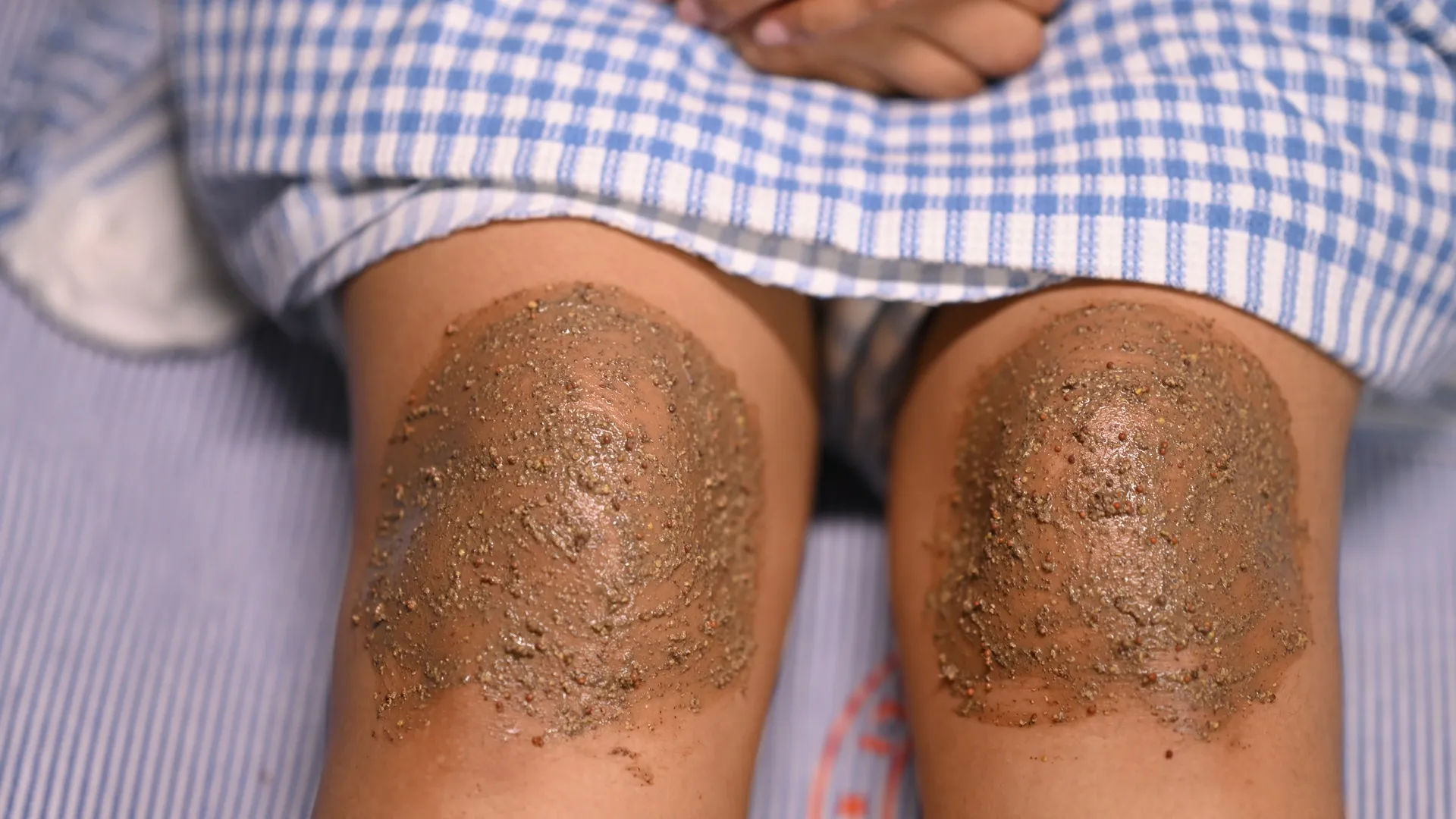
In naturopathy settings, warm water applications and mud packs are used as supportive therapies for comfort and relaxation. Their suitability depends on the individual, the condition and the technique. They should be selected and supervised by a professional and not described as guaranteed treatments.
Daily Habits That Support Joints
Move for a few minutes every hour instead of one long session.
Warm up before walking or exercise in cold weather.
Keep to a healthy weight where relevant, as extra weight adds load to knees and hips.
Eat balanced meals with vegetables, fibre and adequate protein.
Keep a regular sleep routine.
When to See a Doctor
Persistent swelling, redness, warmth around a joint, pain after an injury, night pain that wakes you, fever with joint pain or sudden loss of movement need prompt medical assessment. Lifestyle care should never delay this.
Conclusion
Naturopathy for joint pain is best understood as supportive lifestyle care. Movement, yoga, selected water and mud therapies and healthy routines can help some people stay active through winter, while medical assessment remains important. Janani Yoga & Naturopathy Hospital offers a structured environment for people who want to explore these practices with professional guidance.