


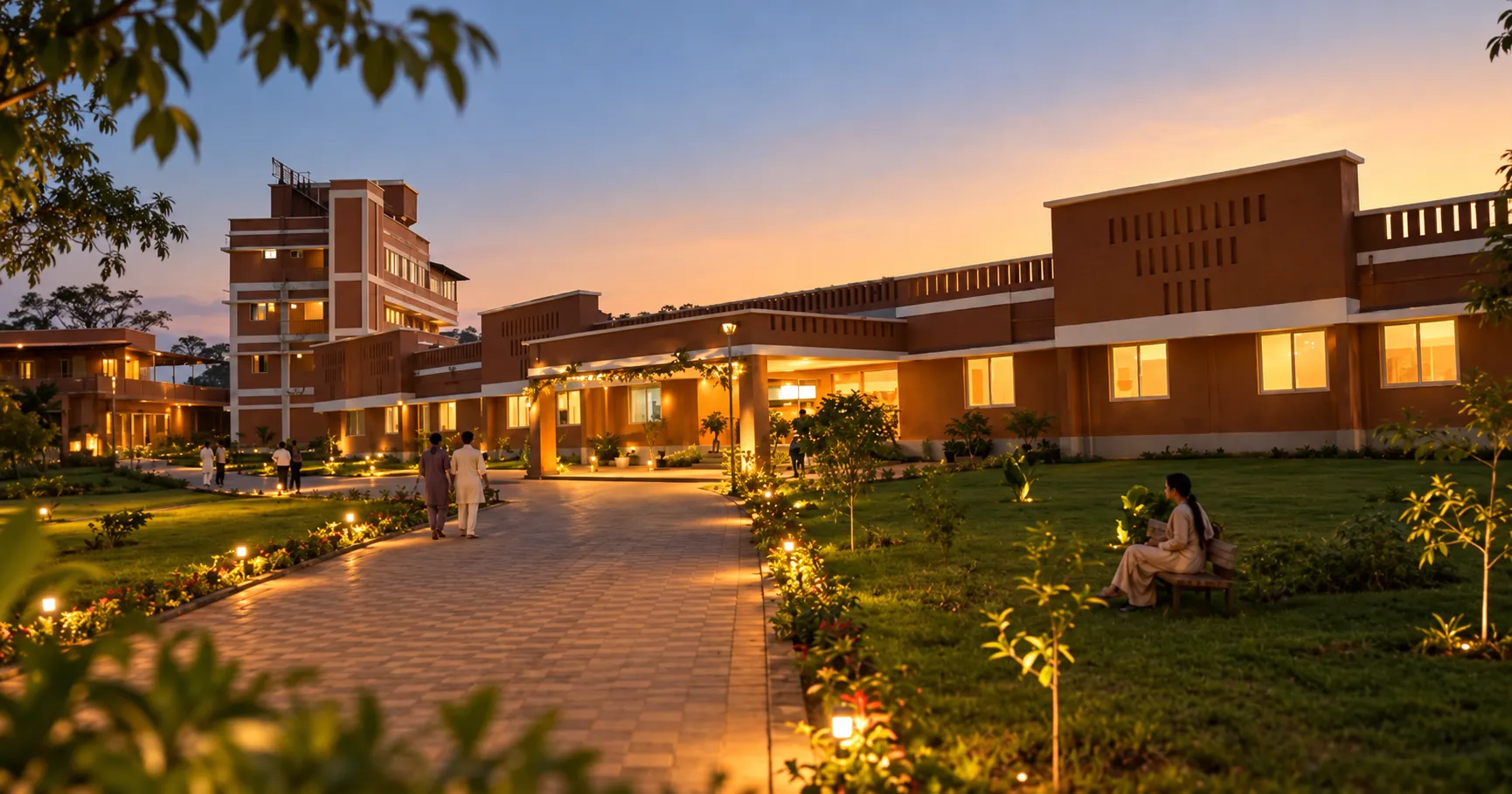
Choosing a residential naturopathy hospital is different from booking an ordinary hotel or wellness holiday.
Your stay is built around a structured routine that may include consultations, therapies, meals, yoga, breathing practices, walking, meditation and rest.
For someone visiting a naturopathy hospital for the first time, practical questions often matter as much as the treatment itself:
What will my day look like? What will I eat? Which therapies will I receive? What should I pack? How long should I stay?
Understanding these details beforehand can help you prepare for the experience and choose a programme that matches your needs.
What Is a Residential Naturopathy Stay?
A residential naturopathy programme means staying at the centre while following a structured health and lifestyle routine.
Unlike a single outpatient appointment, residential care allows several parts of your day to be organized around the programme.
Depending on the programme and individual assessment, this can involve:
Yoga therapy
Breathing practices
Naturopathy treatments
Doctor consultations
Structured meals
Walking
Meditation
Rest
Regular sleep
The focus is therefore not only on an individual therapy but also on creating a consistent daily environment.
You can explore Janani's available residential programmes before deciding which duration is appropriate.
What Does a Typical Day Look Like?
A residential naturopathy day generally follows a planned structure.
At Janani, the routine is designed around health practices such as yoga, therapy, meals, movement, meditation and rest.
The exact schedule can vary according to the programme and individual requirements, so guests should confirm the current timetable with Janani before arrival.
The purpose of having a structured schedule is to create consistency rather than to keep guests busy throughout the day.
Why Is Routine Important?
At home, work, travel, family responsibilities and irregular meal or sleep timings can make lifestyle changes difficult to maintain.
A residential setting creates dedicated periods for:
Physical activity
Meals
Therapy
Rest
Meditation
Sleep
This structure can make it easier to practise new routines consistently for a defined period.
Janani's Dinacharya approach provides more context on the importance of daily routine.
What Happens During the First Part of the Stay?
The programme begins with understanding the individual's health situation and requirements.
This may involve consultation, discussion of symptoms, medical history and available reports.
The purpose is to make the programme relevant to the individual rather than simply providing every guest with an identical treatment schedule.
If you have a diagnosed medical condition, ongoing treatment or prescribed medication, make sure the healthcare team is aware of it.
What Kind of Food Can You Expect?
Food is an important component of a residential naturopathy programme.
Rather than treating meals as separate from the programme, nutrition can become part of the daily routine.
Depending on individual needs and the programme, dietary planning may consider:
Meal timing
Food quality
Portion requirements
Health concerns
Food tolerance
Nutritional needs
Janani's Diet and Nutrition Therapy provides more information about the centre's nutrition-focused approach.
If you have food allergies, diabetes, kidney disease, gastrointestinal problems or another condition requiring specific dietary management, inform the healthcare team.
Is Yoga Part of the Residential Routine?
Yoga therapy can be an important part of a residential naturopathy programme.
However, therapeutic yoga does not necessarily mean an intensive fitness class.
Practices can be adapted according to:
Age
Fitness
Existing health conditions
Mobility
Treatment requirements
Janani provides Yoga Therapy as one of its treatment approaches.
Breathing practices can also be incorporated where appropriate through Pranayama and Breathing Therapy.
What Other Treatments May Be Available?
Janani's treatment offering includes several naturopathy and supportive approaches, including:
Not every therapy is necessarily included in every programme.
The actual combination should be understood before booking.
How Long Should You Stay?
There is no single residential duration that is appropriate for everyone.
Janani currently offers different programme durations.
3-Day Assessment
The 3-Day Assessment Programme provides a shorter residential option focused on assessment and understanding individual requirements.
7-Day Reset
The 7-Day Reset Programme provides a structured one-week residential experience.
14-Day Intensive Care
The 14-Day Intensive Care Programme provides a longer period for structured care.
21-Day Rebuild
The 21-Day Rebuild Programme provides an extended residential option.
A longer stay is not automatically better. Programme duration should be considered in relation to individual health requirements, goals and professional guidance.
What Should You Pack?
Packing for a naturopathy hospital is different from packing for a holiday.
Comfortable Clothing
Bring loose, comfortable clothes suitable for:
Yoga
Walking
Therapy sessions
Relaxation
Comfortable Footwear
Walking may be part of the daily routine, so comfortable footwear is useful.
Personal Toiletries
Bring the personal hygiene products you normally need.
Medicines and Medical Documents
If you take prescribed medicines, bring an adequate supply and the relevant prescription or medical information.
Do not stop or change prescribed medicines simply because you are staying at a naturopathy hospital.
Medical Reports
Carry relevant reports that may help the healthcare team understand your health history.
Identification Documents
Bring the identification and registration documents requested by the centre.
Reusable Water Bottle
A reusable bottle can be useful during the day.
Keep Valuables to a Minimum
Avoid bringing unnecessary expensive jewellery or other valuables.
What Rules Should You Expect?
Rules vary between centres and programmes, so current policies should always be confirmed before arrival.
Residential programmes generally require guests to follow scheduled activities such as:
Meal timings
Therapy sessions
Yoga sessions
Rest periods
Meditation
Sleep routines
The purpose is to maintain consistency within the programme.
Is a Naturopathy Hospital a Wellness Holiday?
Not exactly.
A naturopathy hospital may provide a peaceful environment, accommodation and time away from normal responsibilities, but the primary purpose is structured health and lifestyle care.
There may be personal time and opportunities to rest, but your day will generally revolve around the programme.
This distinction is important when comparing a residential naturopathy hospital with a conventional holiday or general wellness retreat.
What About Accommodation?
Accommodation is an important part of a residential programme because you are staying at the centre throughout your treatment period.
Before booking, check:
Room category
Included facilities
Meal arrangements
Programme inclusions
Additional charges
Check-in and check-out details
You can explore Janani's Facilities page before making a decision.
Questions to Ask Before Booking
Before confirming your stay, ask:
What is included in the programme?
Confirm whether accommodation, meals, consultations and therapies are included.
Which therapies are included?
Do not assume that every therapy offered by the centre is included in every programme.
Is the programme individualized?
Ask how your routine will be adjusted according to your health requirements.
What is the daily schedule?
Confirm the current schedule and whether it changes according to your programme.
What should I bring?
Ask about clothing, documents, medicines and other requirements.
What happens if I need medical attention?
This is particularly important if you have an existing medical condition.
Frequently Asked Questions
What should I wear at a naturopathy hospital?
Comfortable and loose clothing suitable for yoga, walking and therapy sessions is generally practical.
Can I bring my regular medicines?
Yes. Bring prescribed medicines and inform the healthcare team. Do not stop or modify medication without medical advice.
Will everyone follow the same diet?
Not necessarily. Dietary requirements can differ according to the individual and programme.
How much free time will I have?
This depends on the programme. Residential programmes include scheduled activities as well as periods for rest.
Can I use my phone during my stay?
Phone policies may vary. Confirm the current policy with the centre before arrival.
Is a longer programme always better?
No. The appropriate duration depends on the individual's requirements and programme goals.
Conclusion
A residential naturopathy stay is best understood as a structured change in your daily environment and routine.
Instead of attending one isolated therapy session, you spend a period of time following a planned combination of meals, movement, therapies, consultation, rest and other lifestyle practices.
Before booking, understand the programme duration, accommodation, treatment inclusions, daily routine and centre policies.
You can explore Janani's Naturopathy Programmes and Facilities to learn more about the residential experience.