


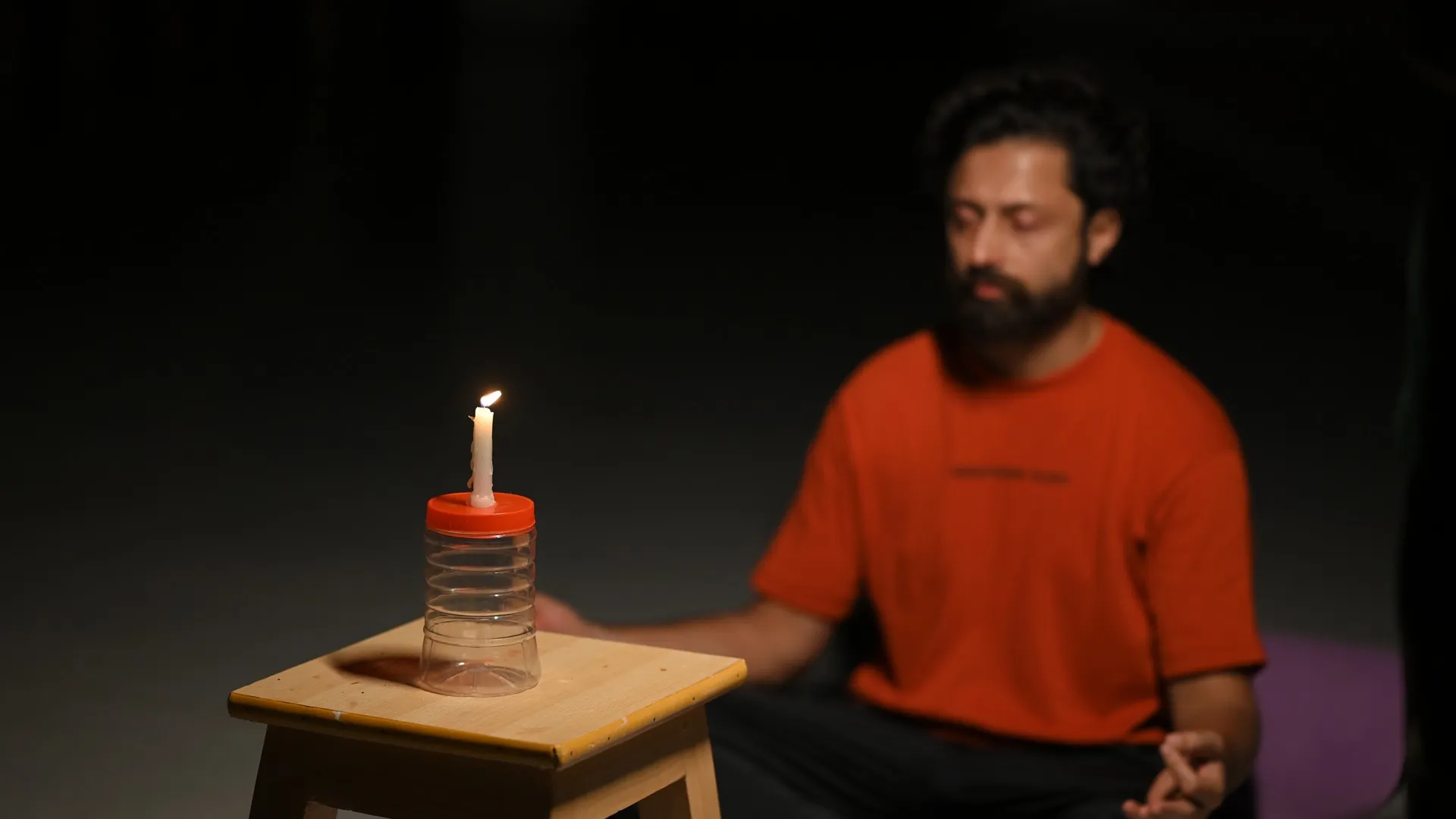
Year end often brings deadlines, family commitments, travel and social plans all at the same time. Even people who cope well during the year can find their patience, sleep and appetite affected. Stress is a normal human response, but when it stays high for long periods it can make everyday life harder.
Yoga and naturopathy can be explored as supportive practices for building calmer routines. They are not a replacement for professional mental health care when symptoms are significant.
How Stress Shows Up
People describe stress differently. Common experiences include tension in the neck and shoulders, trouble falling asleep, irritability, difficulty concentrating, changes in appetite and a feeling of being constantly on edge.
Breathing and Yoga
Slow, steady breathing is often included in yoga practice. Gentle postures combined with relaxation can give the body a break from constant alertness. Beginners do not need advanced poses. A short daily routine is usually more useful than an occasional long one.
Structure Helps
A predictable daily routine can reduce mental load. Regular meal times, a fixed wake up time, daylight exposure and screen free periods give the day a steady shape. A residential programme can make it easier to practise these habits because the environment supports them.
Food and Stress
Skipped meals and heavy late night eating can leave people feeling worse. Simple, regular meals with vegetables, fibre and adequate protein can support steady energy. Heavy caffeine intake late in the day can interfere with sleep.
Simple Practices to Try
Two minutes of slow breathing after waking and before bed.
A ten minute walk in daylight.
A short stretching routine after long sitting.
A fixed time to stop checking work messages.
When to Seek Professional Help
Persistent low mood, panic, sleep problems lasting weeks, thoughts of self harm or difficulty functioning need assessment by a doctor or mental health professional. Yoga and naturopathy should complement and not replace this care.
Conclusion
Stress management works best when it is practical and repeatable. Yoga, breathing, regular meals, sleep routines and time away from constant demands can support wellbeing. Janani Yoga & Naturopathy Hospital provides a structured yoga and naturopathy setting for those who wish to explore these practices.