Stress / Depression / Anxiety
Naturopathy support for stress, depression and anxiety at Janani combines movement, breathing practice, and a structured daily routine to support relaxation and wellbeing.



How Janani approaches it
Chronic stress, depression, and anxiety can be associated with factors such as daily pressures, disrupted sleep, changes in routine, and individual circumstances. Naturopathy support for stress, depression and anxiety at Janani is not a replacement for psychiatric or psychological treatment where that is needed. It works alongside existing mental health care, focusing on supportive daily habits, movement, breathing practices, and routine.
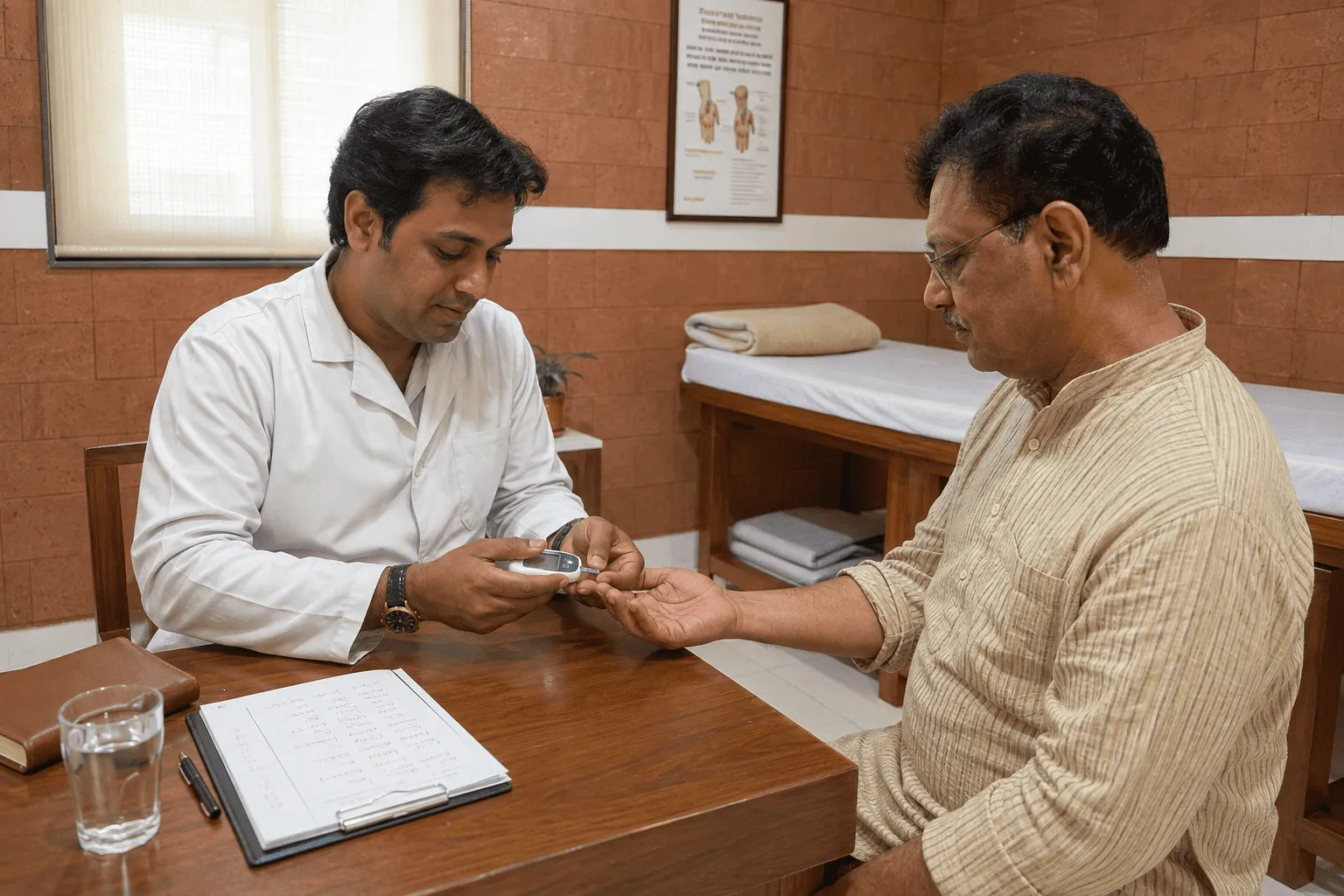
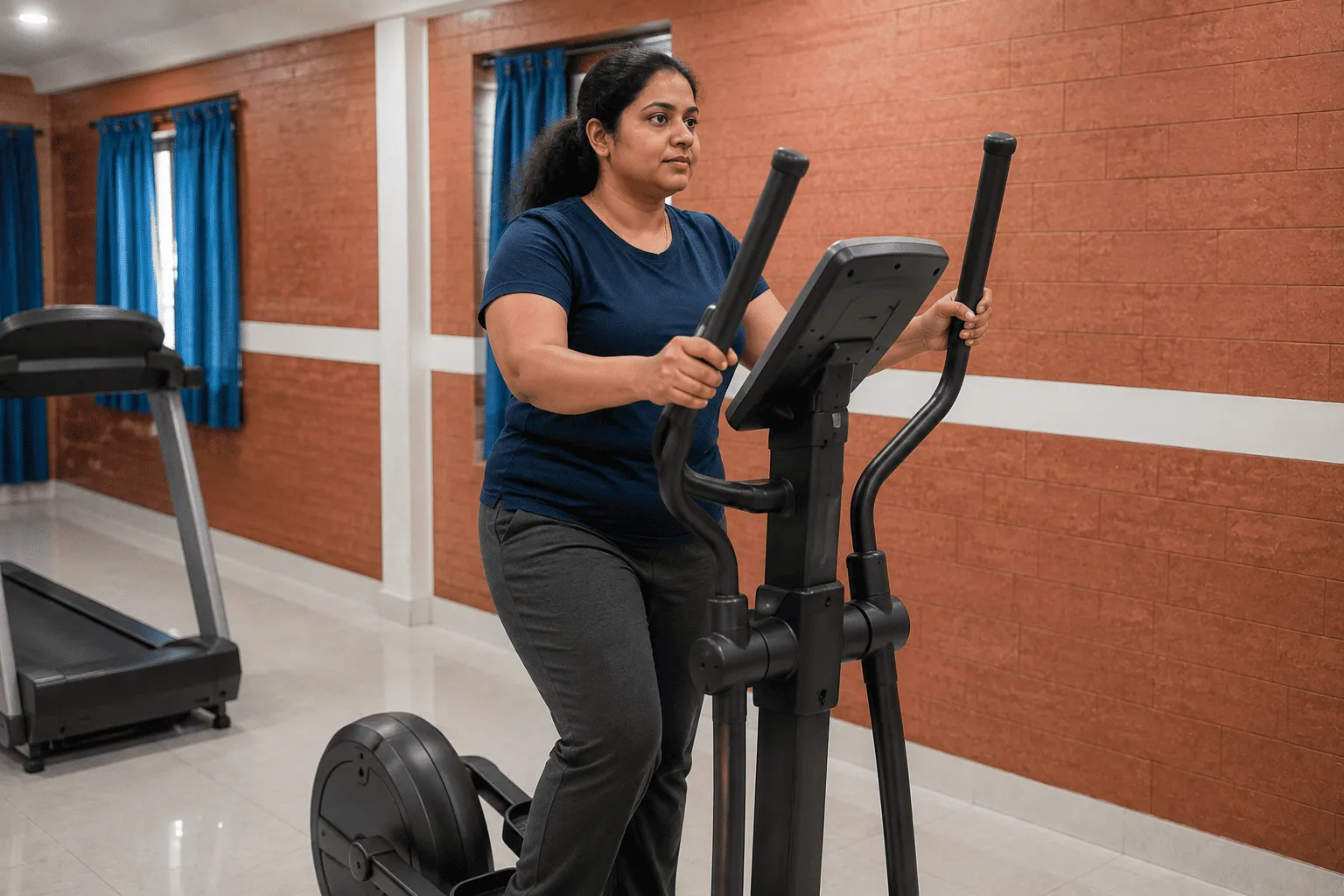
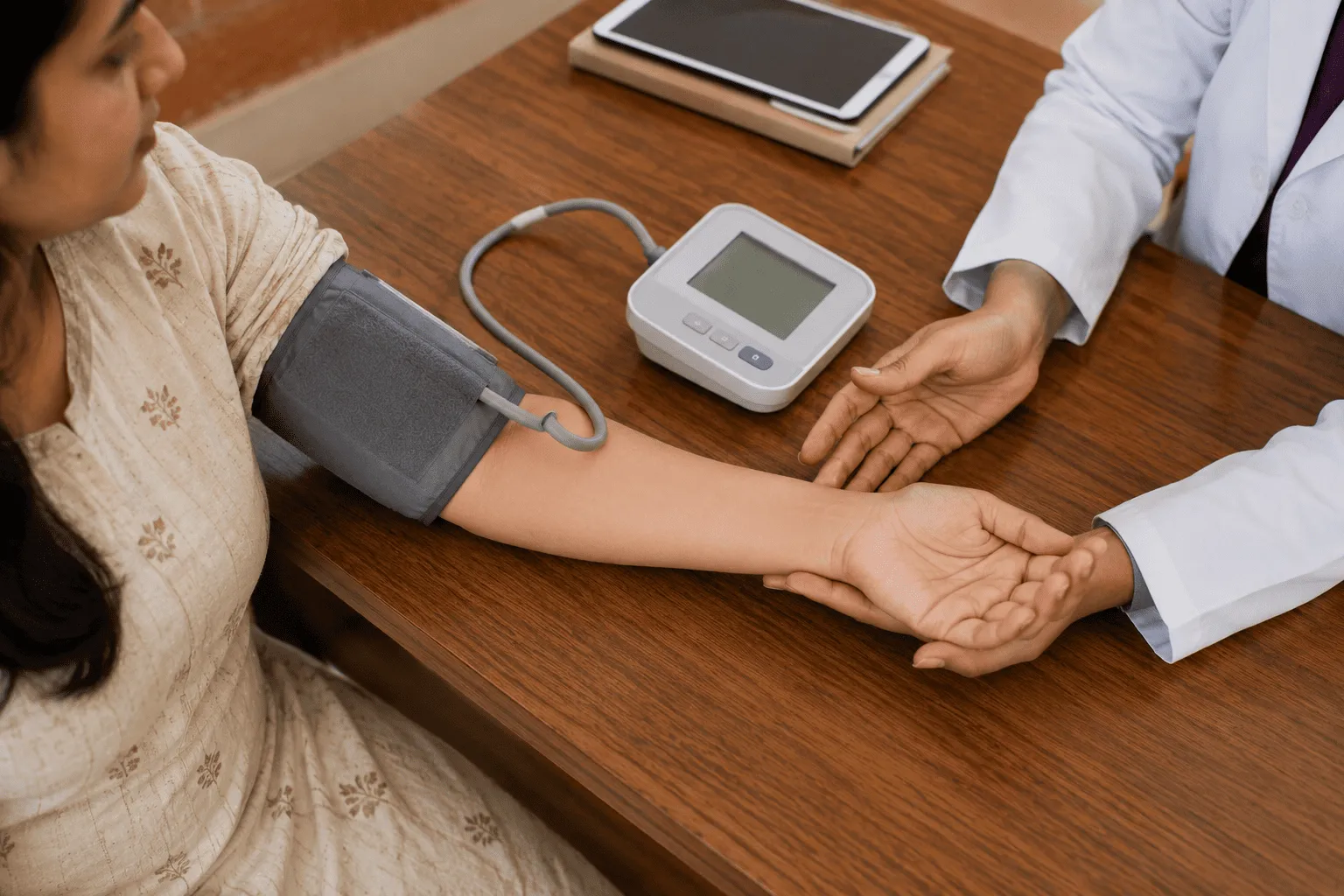
A doctor consultation at the start of the stay reviews your history, current concerns, and any existing treatment or medication, since stress related conditions can vary widely in severity and individual needs. Guided movement and structured breathing practice form part of the daily programme, with practices selected according to the patient's condition and comfort. A seated stillness practice may also be included as part of Dinacharya, the structured daily routine, with an emphasis on relaxation and consistency.
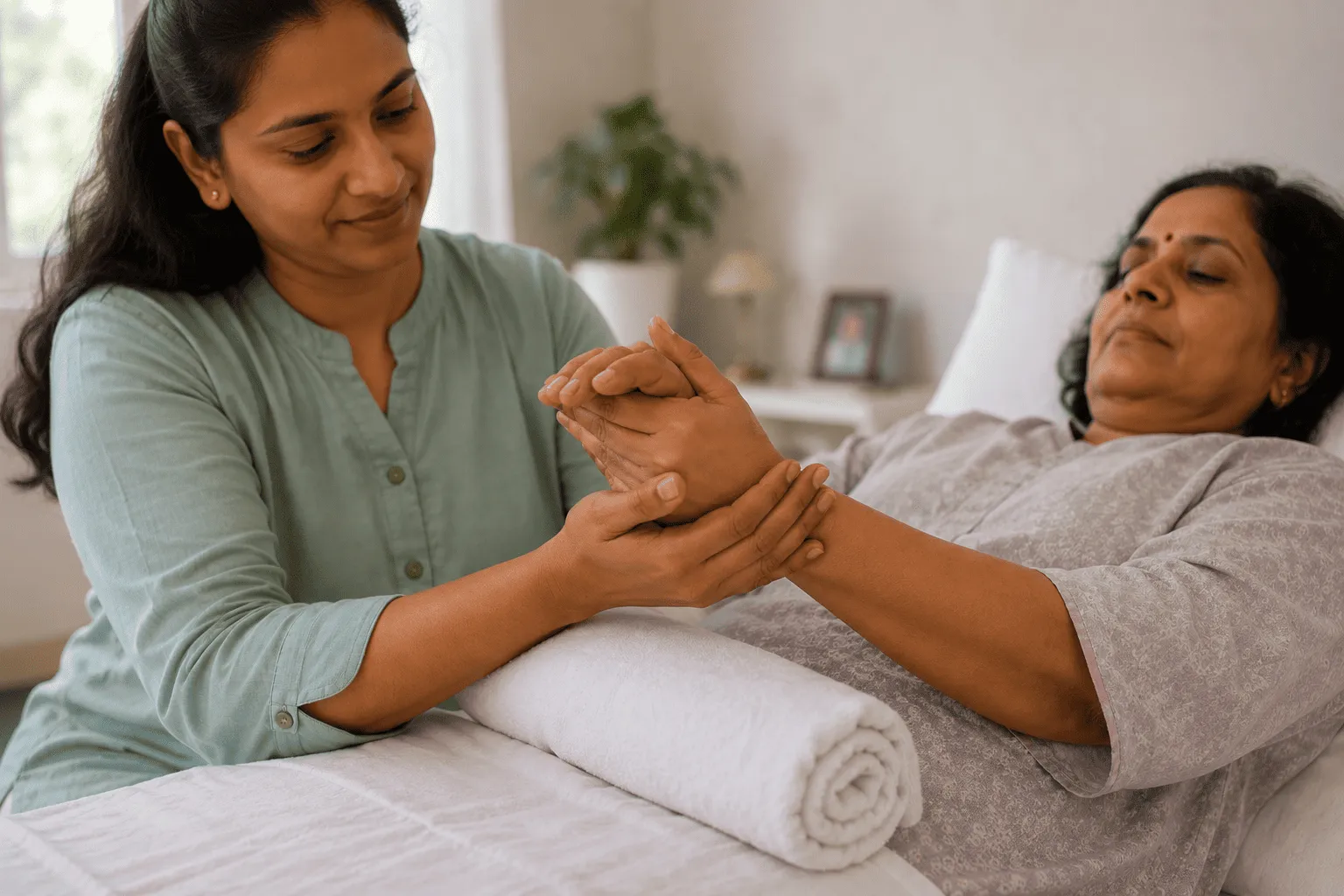
Hands on support may be used to address physical tension, while water based sessions can form part of the relaxation routine. Diet correction is also included, with attention to balanced food choices and regular eating patterns that support overall nutrition and wellbeing. The daily rhythm of waking, activities, meals, and rest is structured to provide consistency throughout the stay.
Most patients stay seven to fourteen days for anxiety naturopathy support, though the duration can be adjusted according to individual needs. Janani is clear that patients experiencing significant depression, severe anxiety, or thoughts of self harm should be under the care of a qualified mental health professional. Naturopathy support is intended to complement that care, not substitute for it.
Sleep and daily routine are discussed throughout the stay, and the evening routine may be structured to encourage relaxation and appropriate rest. Patients can also be given simple daily practices involving movement, breathing, and routine that may be continued at home after discharge.
The programme is intended to provide supportive wellness care alongside appropriate mental health treatment. Patients should continue prescribed medication and follow the recommendations of their treating mental health professional.
Therapies used
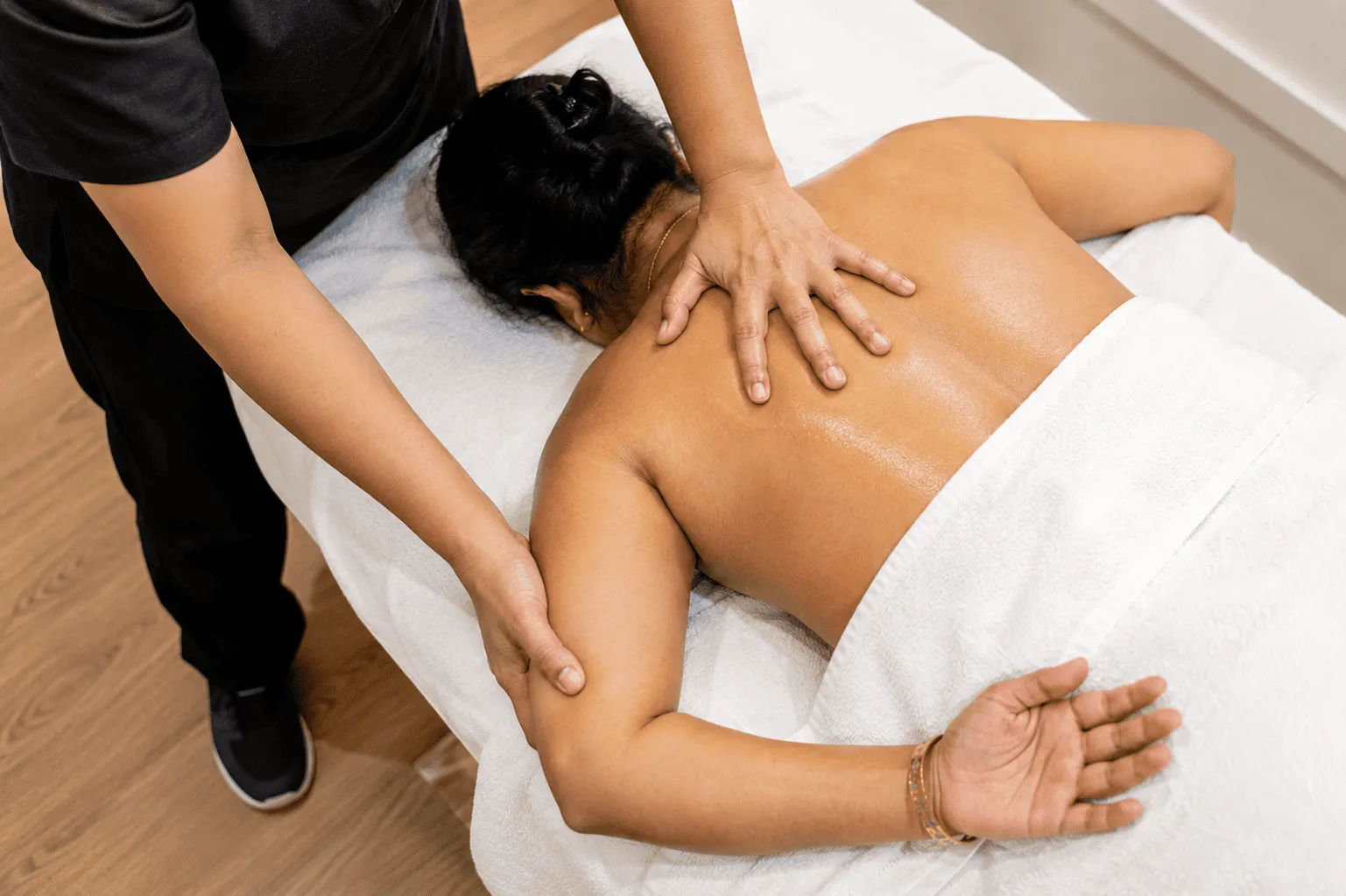
Massage Therapy

Massage therapy at Janani is oil based, hands on work to release tension built up from months or years of strain.
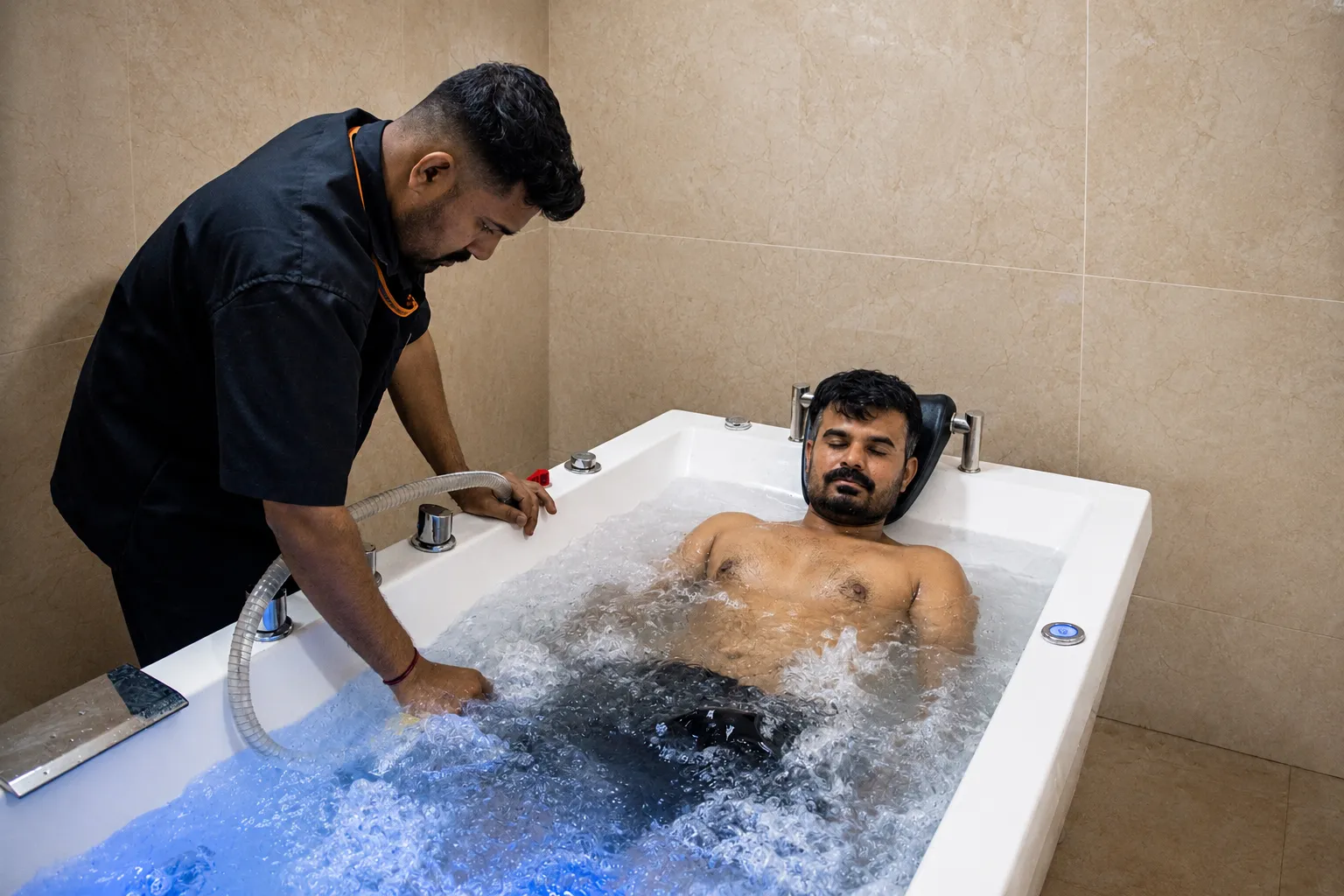
Hydrotherapy

Hot and cold water therapy used at Janani to relieve pain, improve circulation, and calm the nervous system.
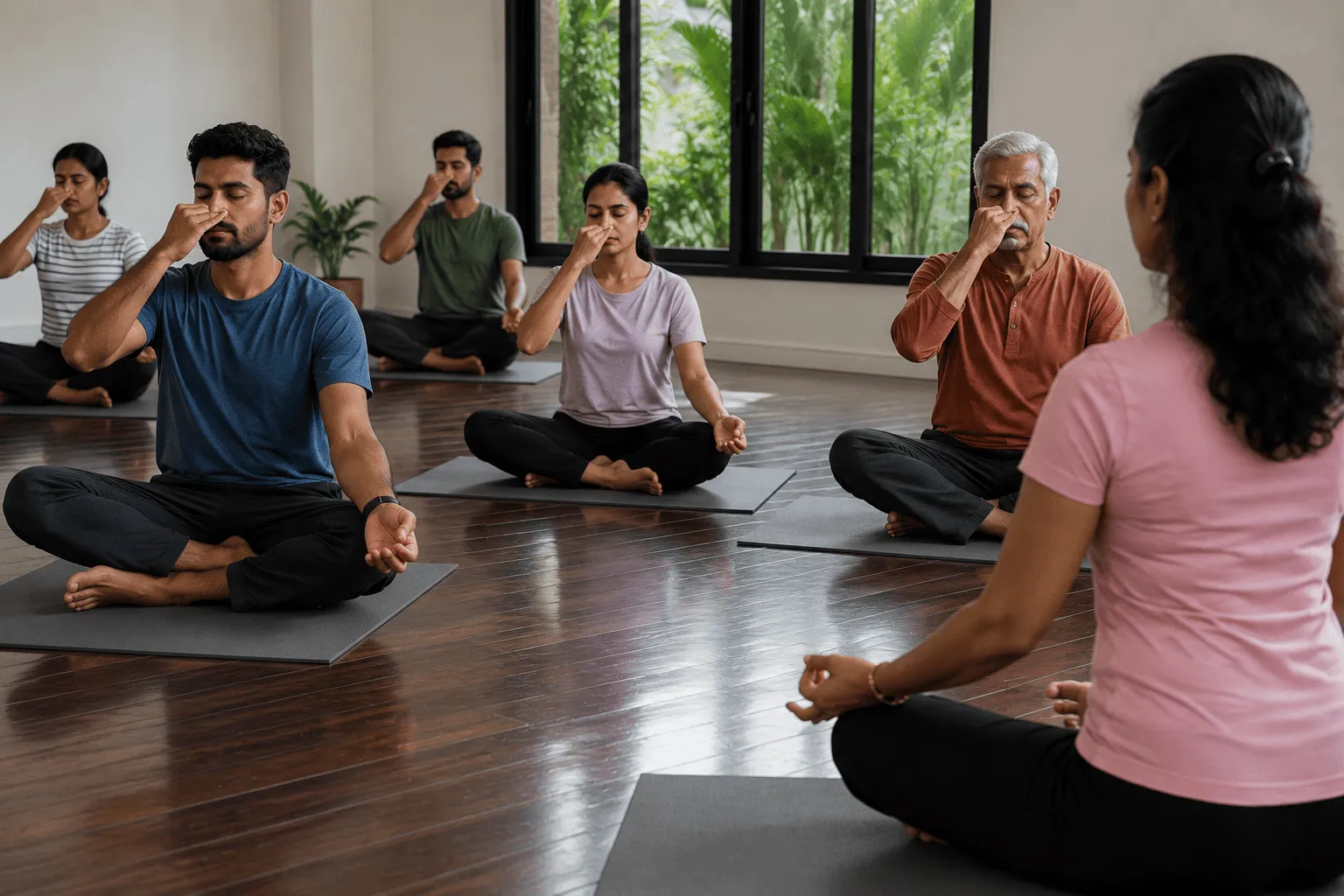
Pranayama and Breathing Therapy

Pranayama and breathing therapy at Janani is used specifically for its effect on the nervous system and lung capacity.
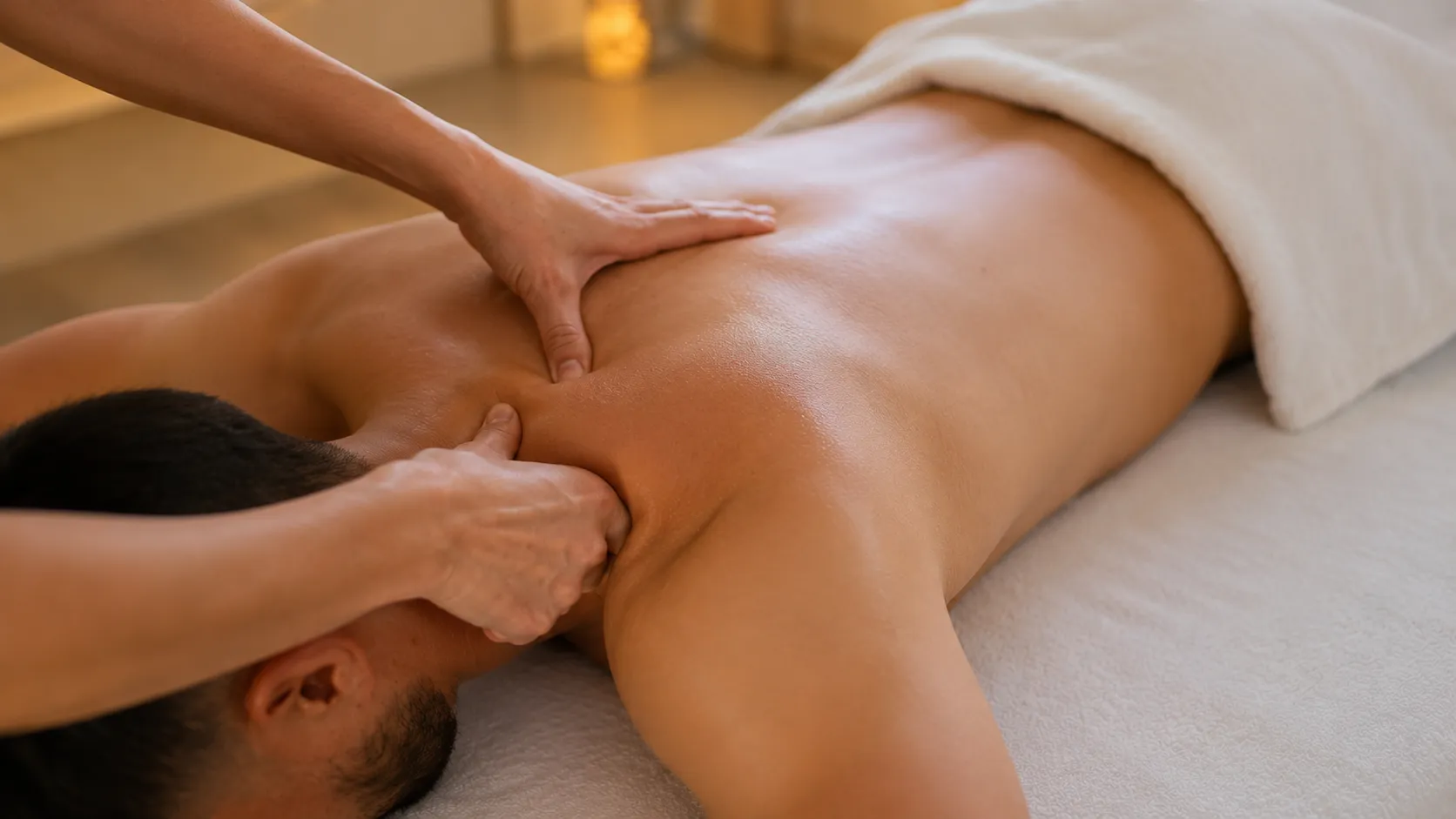
Acupressure
Acupressure at Janani applies targeted pressure to therapeutic points as a needle free option for pain relief and circulation.

Diet and Nutrition Therapy
Diet and nutrition therapy at Janani is built around the diagnosis and revised as the program moves, not a printed sheet handed out on day one.
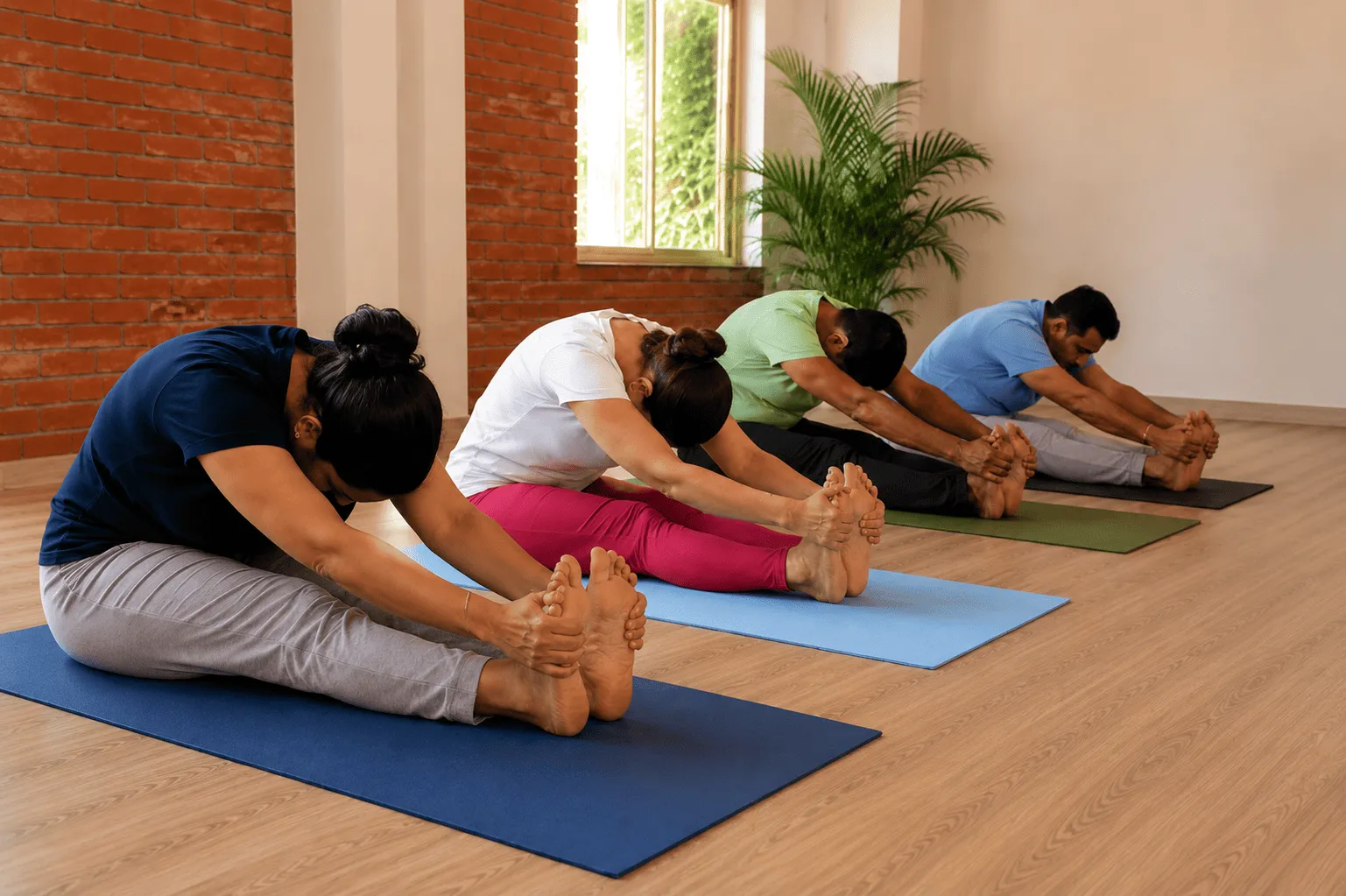
Yoga Therapy
Yoga therapy at Janani uses postures and sequences chosen for the specific condition being treated, not a general fitness class.