


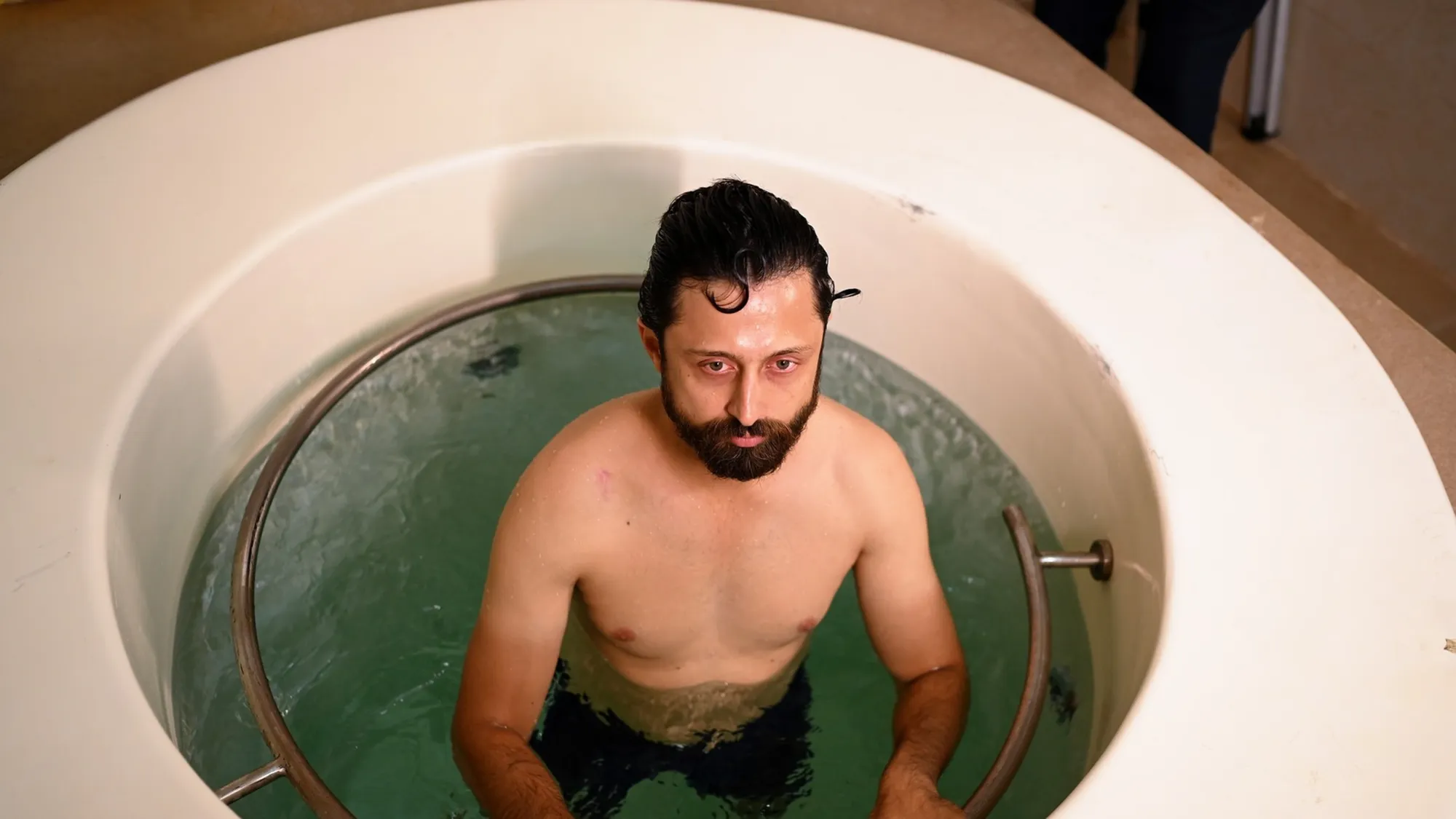
Water has been used in many health and therapeutic traditions. In naturopathy, hydrotherapy broadly refers to the supervised use of water-based applications as part of a treatment plan.
People searching for hydrotherapy in naturopathy often want to know what a session involves, which types of hydrotherapy are available and whether a particular treatment is appropriate for them.
Hydrotherapy is not one single procedure. Techniques can differ between facilities and may include baths, local water applications, immersion or other supervised methods. The appropriate therapy should always be selected according to the person’s health status and treatment goals.
What Is Hydrotherapy?
Hydrotherapy is the therapeutic use of water. Depending on the method, it may involve immersion, local applications, sprays, baths or other water-based procedures.
In a naturopathy setting, hydrotherapy may be combined with yoga, diet therapy, exercise, rest or other supportive practices. The overall program is therefore broader than a single water treatment.
Some applications are intended to provide comfort and relaxation, while others are used within a structured therapeutic routine. Patients should ask what a procedure involves and why it has been recommended.
Common Types of Hydrotherapy
Different naturopathy centres use different hydrotherapy techniques. Common examples can include hip baths, spinal baths, foot baths, local water applications and underwater massage.
A hip bath involves water exposure around the pelvic and lower abdominal region. A spinal bath uses water in relation to the back. Underwater massage combines water immersion with massage techniques.
Because techniques and protocols vary, people should ask the treating professional about temperature, duration, expected sensations and precautions before beginning a session.
What Happens During a Hydrotherapy Session?
A supervised session should begin with an understanding of the person’s health history and the reason for using the therapy. The professional should explain the procedure, expected duration and relevant precautions.
During treatment, the person should be able to communicate discomfort. Symptoms such as dizziness, unusual weakness, breathlessness or feeling faint should be reported immediately.
After some treatments, the person may be advised to rest or rehydrate. Instructions depend on the therapy used and the individual’s health.
How Professionals Choose the Right Therapy
Hydrotherapy should not be selected solely on the basis of a diagnosis. Age, cardiovascular health, blood pressure, skin condition, pregnancy, mobility, medications and other health factors can affect suitability.
For example, some hot-water applications may require additional caution for people with particular cardiovascular or blood-pressure concerns. Some procedures may not be suitable during acute illness or certain infections.
A professional assessment helps determine whether hydrotherapy is appropriate and whether a specific method needs modification.
Hydrotherapy for Supportive Care
People can experience hydrotherapy differently. Warm water may feel comfortable and may make certain movements easier for some individuals. Other water applications may be selected for specific therapeutic reasons.
It is important to be cautious about online claims that describe hydrotherapy as a universal detox or cure. No single water therapy should be presented as a guaranteed treatment for a disease.
The most responsible way to understand hydrotherapy is as one possible component of a broader, supervised care plan.
Hydrotherapy in a Residential Naturopathy Setting
A residential setting can provide structure because therapies, meals, yoga, rest and consultations can be organised into a daily schedule.
For a person who struggles to establish healthy routines at home, this environment can provide an opportunity to learn and practise new habits.
The availability of a therapy does not mean that every patient needs it. A good program should remain individualised, with therapies selected according to professional assessment.
Who Should Discuss Hydrotherapy With a Professional First?
People with heart disease, uncontrolled blood pressure, significant kidney problems, pregnancy, acute illness, skin infections or other significant conditions should discuss hydrotherapy with a qualified professional before participating.
The full medical history and current medications should be disclosed. Some procedures may have specific contraindications.
If a person develops pain, dizziness, faintness, breathing difficulty or another unexpected symptom during treatment, the session should be stopped and the healthcare team informed.
Conclusion
Hydrotherapy in naturopathy is a broad category of water-based therapeutic practices rather than one single treatment. Techniques, temperatures, durations and purposes can vary.
For people considering hydrotherapy, the most useful questions are straightforward: Why has this therapy been recommended? Is it appropriate for my health condition? What will the session involve? What precautions should I follow?
A supervised, personalised approach is more useful than choosing a therapy based only on online claims. Hydrotherapy can be considered within a broader naturopathy and lifestyle program when it is appropriate for the individual.
Frequently Asked Questions
What is hydrotherapy in naturopathy?
It is the supervised use of water-based applications as part of naturopathic care. Techniques vary by facility and individual treatment plan.
What are common hydrotherapy treatments?
Examples can include baths, local water applications and underwater massage. Exact methods vary by facility.
Is hydrotherapy suitable for everyone?
No. Suitability depends on health status, medications, age and the specific therapy.
Can hydrotherapy cure a disease?
Hydrotherapy should not be promoted as a guaranteed cure. It may be used as supportive care within an appropriate treatment plan.