


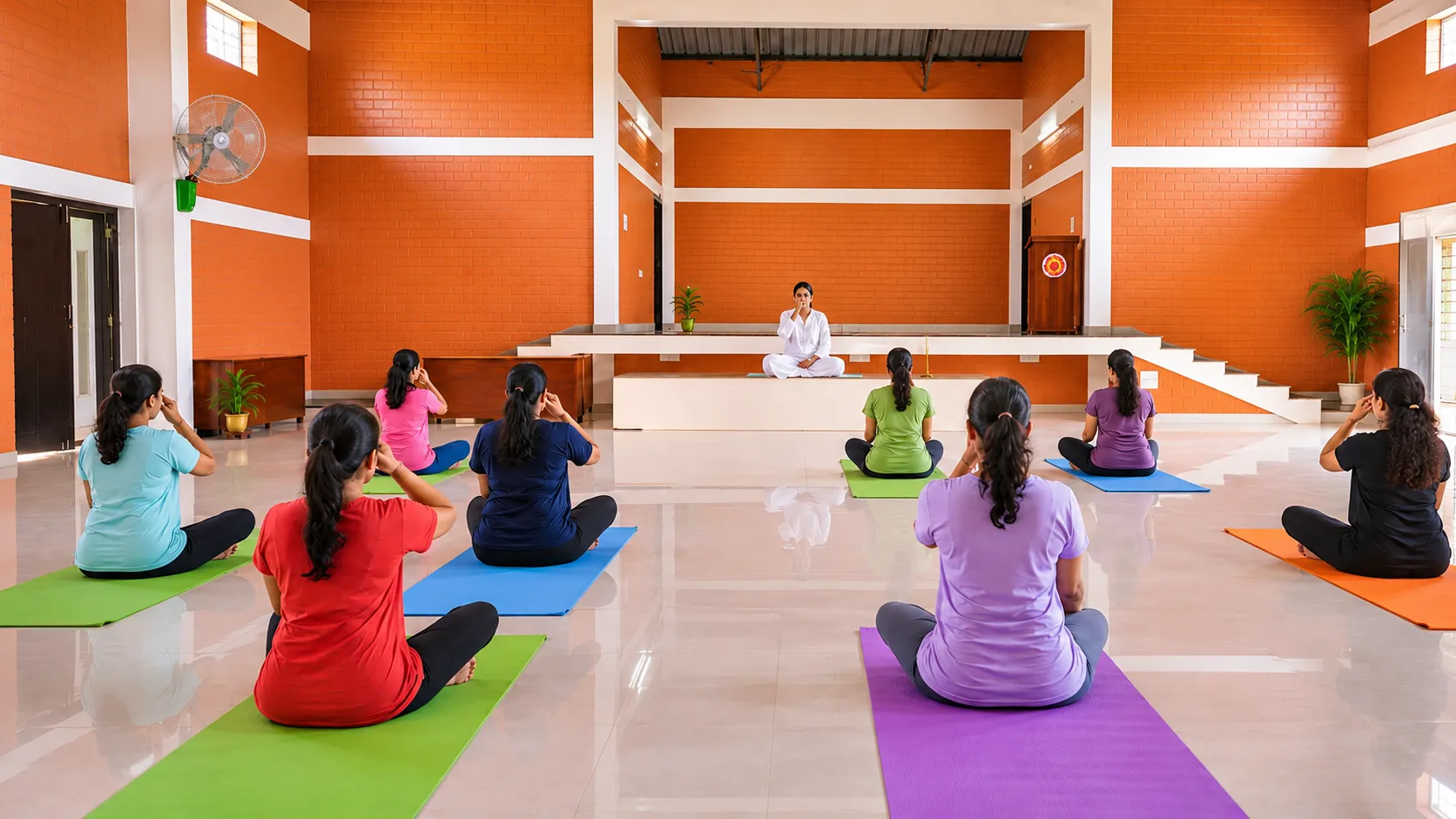
Polycystic ovary syndrome, commonly known as PCOS, is a complex condition that can affect menstrual cycles, hormones, metabolism, skin, hair growth and fertility. Symptoms differ from person to person, which means a useful management plan needs to be individualised.
Many people search for yoga for PCOS because they want a gentle, structured form of movement that can also include breathing and relaxation. Yoga may be one part of a broader lifestyle approach that includes balanced nutrition, regular physical activity, sleep and stress management.
Yoga is not a replacement for diagnosis or medical care. If menstrual cycles are persistently irregular, symptoms are significant or fertility is a concern, appropriate medical assessment remains important.
What Is PCOS and Why Does Lifestyle Matter?
PCOS is associated with hormonal and metabolic changes. It can present differently in different people, and not everyone experiences the same combination of symptoms.
Lifestyle can be relevant because regular movement, balanced nutrition, adequate sleep and attention to metabolic health can support overall wellbeing. The purpose is not to pursue a particular appearance but to develop habits that are realistic and healthy.
A personalised plan may consider the person’s age, symptoms, medical history, medications, nutritional needs and goals. This is why online checklists and generic programs should not be treated as a substitute for professional assessment.
Can Yoga Be Part of PCOS Management?
Yoga can provide physical movement while also incorporating breathing and relaxation. For someone who is new to exercise, gentle practices may provide a manageable way to become more active.
A yoga session does not need to involve difficult poses. Mobility exercises, basic postures, breathing and relaxation can all form part of a routine. The best approach depends on fitness, mobility and health status.
Other activities such as walking, strength training, cycling or swimming can also contribute to physical activity. Yoga can complement these activities rather than needing to replace them.
Yoga, Stress Management and Daily Routine
Stress is part of everyday life, but prolonged stress can affect sleep, energy, eating habits and consistency with healthy routines. People with PCOS may therefore benefit from including relaxation as part of their lifestyle plan.
Yoga can combine movement with breathing and focused attention. A short routine that is practised consistently may be more useful than an occasional long session.
The same principle applies to other healthy habits. A regular sleep schedule, planned meals and manageable activity can create a routine that is easier to maintain over time.
Nutrition and PCOS
There is no single PCOS diet that is appropriate for everyone. Nutrition should be balanced, adequate and tailored to the person’s health needs.
A practical eating pattern may include vegetables, fibre-rich foods, suitable protein sources, healthy fats and appropriate carbohydrate choices. Portion sizes and meal timing can be adjusted to the individual’s routine and goals.
Extreme food restriction is not necessary for everyone. If weight management is part of a person’s care plan, gradual changes are usually more practical than highly restrictive diets. People with other medical conditions should seek personalised nutrition advice.
Sleep and Metabolic Health
Sleep is sometimes overlooked when discussing PCOS. A consistent sleep schedule can support energy, mood and daily functioning and may make other healthy habits easier to maintain.
A simple routine could include a regular wake time, daytime movement, balanced meals, a short yoga or breathing session and a calm wind-down period before bed.
Lifestyle changes do not have to be complicated. The challenge is usually consistency. A structured wellness environment can give someone the opportunity to practise healthy routines without the distractions of everyday life.
Why PCOS Care Should Be Individualised
PCOS can look different from one person to another. One individual may be mainly concerned about irregular periods, while another may be dealing with acne, excess hair growth, weight-management concerns or fertility issues.
Yoga practices should therefore be selected according to the person’s abilities and health. Nutrition should also take account of medical conditions, medication and nutritional requirements.
A personalised plan is particularly important when someone is pregnant, trying to conceive, recovering from an injury or managing another chronic condition.
When to Seek Professional Medical Guidance
Persistent menstrual irregularity, unusual bleeding, significant pelvic symptoms, fertility concerns or other concerning changes should be discussed with an appropriate healthcare professional.
PCOS can overlap with other conditions, so self-diagnosis based on online information is not enough. A professional assessment can help identify the likely cause of symptoms and whether additional evaluation is needed.
Naturopathy and yoga may be considered as supportive lifestyle approaches, but they should be used responsibly within an overall healthcare plan.
Conclusion
Yoga for PCOS can be a useful part of a broader lifestyle routine when it is adapted to the individual. Movement, breathing, relaxation, nutrition, sleep and stress management can all contribute to healthier daily habits.
For people exploring naturopathy for PCOS in Karnataka, Janani Yoga & Naturopathy Hospital offers a residential environment centred on yoga and naturopathy. The practical focus should be on safe, realistic habits that can continue beyond a short program.
Rather than looking for one exercise or one diet that promises to solve every symptom, build a personalised routine with appropriate professional guidance.
Frequently Asked Questions
Can yoga cure PCOS?
Yoga should not be described as a cure for PCOS. It may support physical activity, relaxation and healthy lifestyle habits as part of an overall care plan.
Which yoga is best for PCOS?
There is no single routine that is best for everyone. Practices should be selected according to fitness, mobility, symptoms and professional guidance.
Can diet and yoga help with PCOS?
They can be useful components of lifestyle management for many people, but individual needs vary and medical care may also be required.
Should I follow a strict PCOS diet?
A highly restrictive diet is not necessary for everyone. A balanced and sustainable eating pattern should be tailored to individual needs.