Bronchial Asthma
Bronchial asthma naturopathy treatment at Janani uses breathing practice, movement, and diet correction to support breathing comfort and respiratory wellbeing.


How Janani approaches it
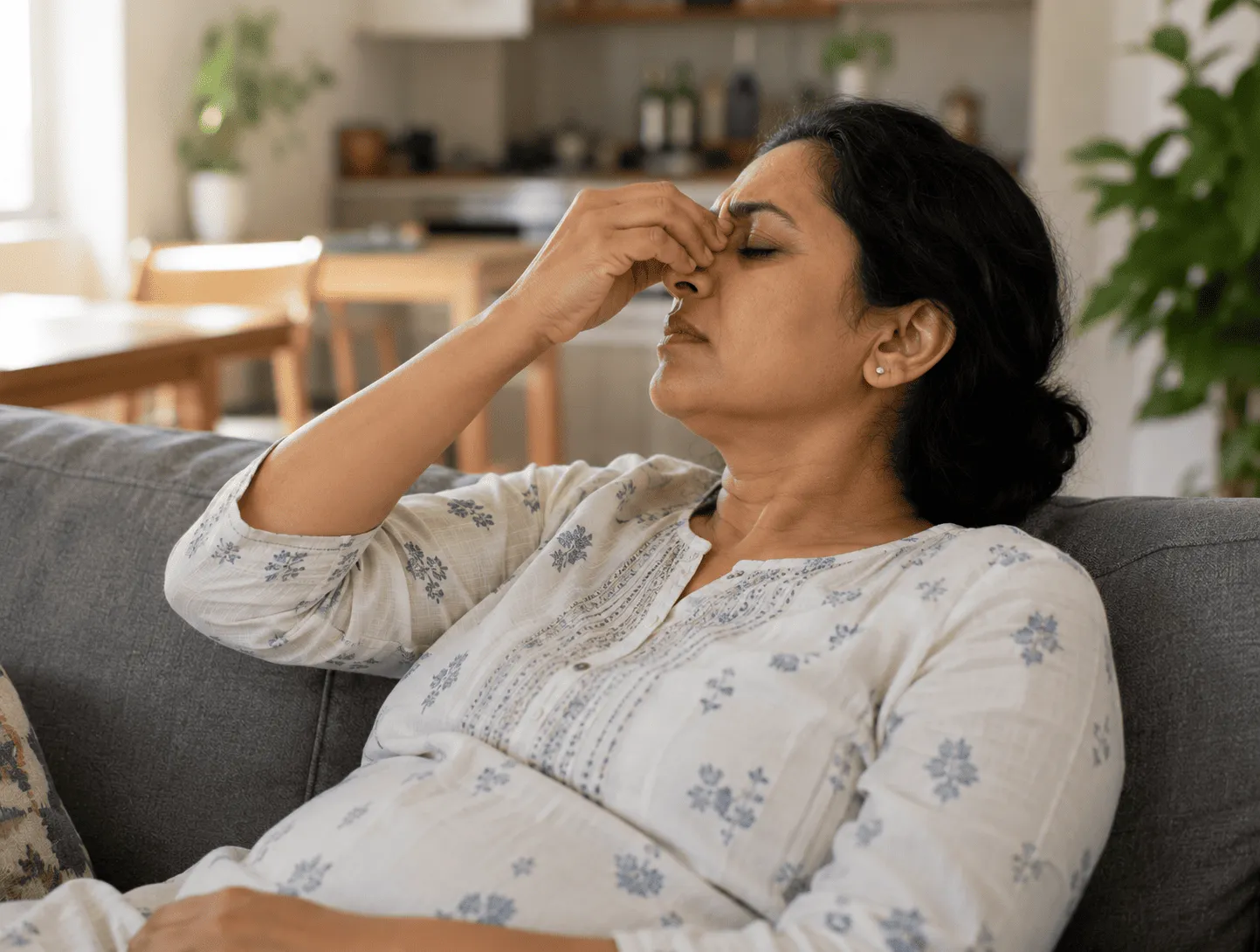
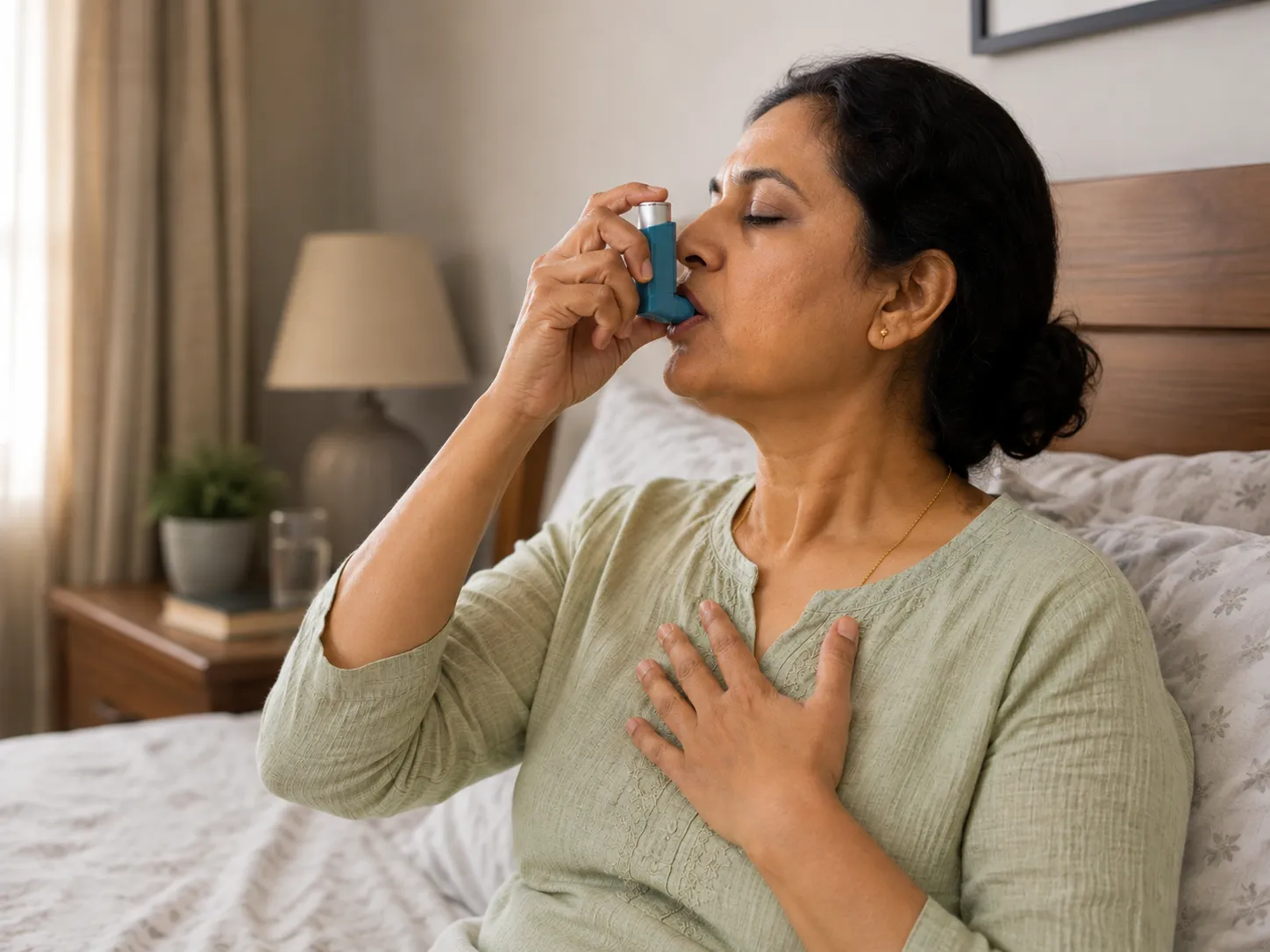
Bronchial asthma is a respiratory condition involving airway sensitivity and inflammation that can be associated with factors such as allergens, environmental exposure, exercise, stress, and weather changes. Bronchial asthma naturopathy treatment at Janani works alongside prescribed inhalers and medication, focusing on breathing practices, appropriate movement, and individual lifestyle factors rather than replacing respiratory treatment.
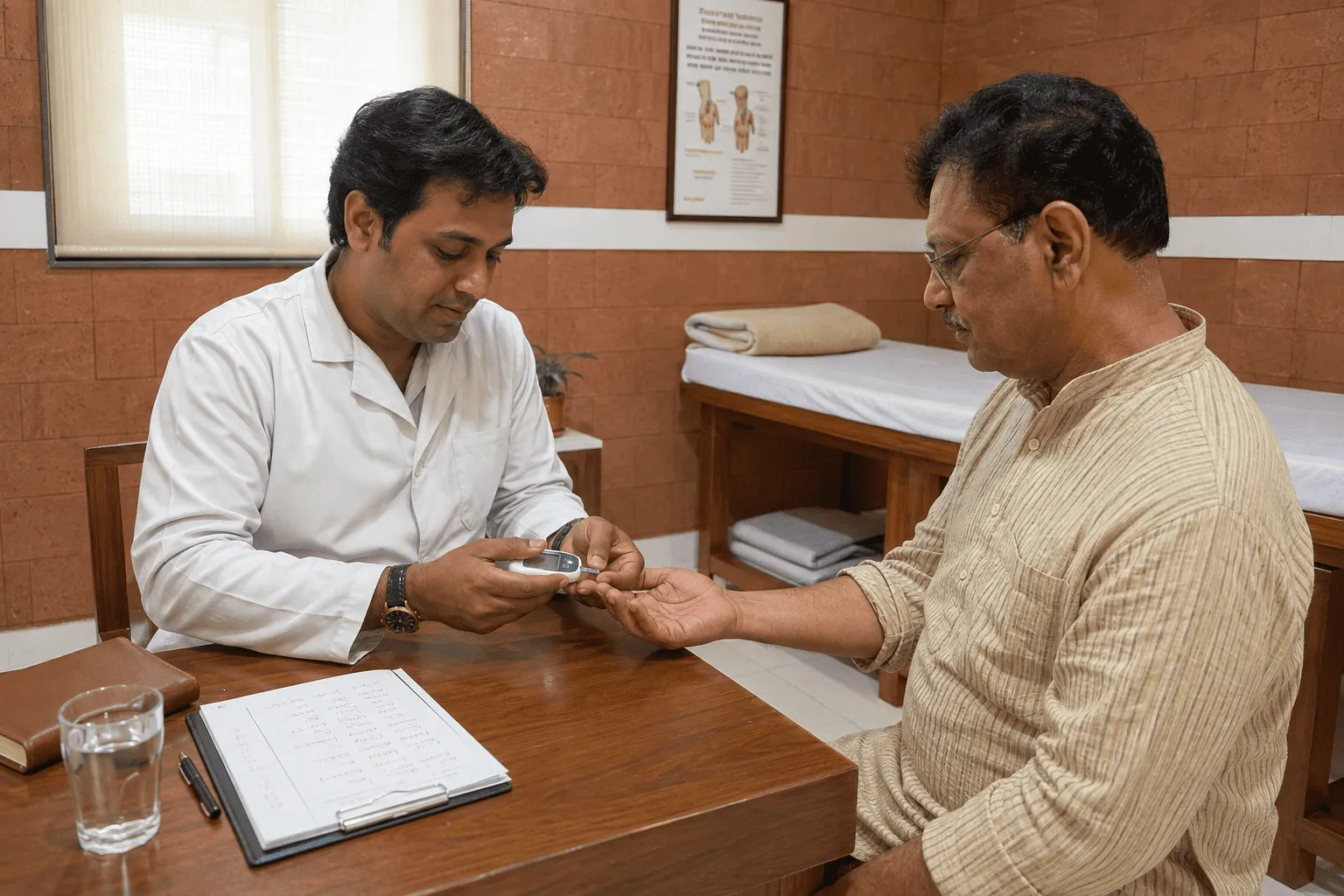
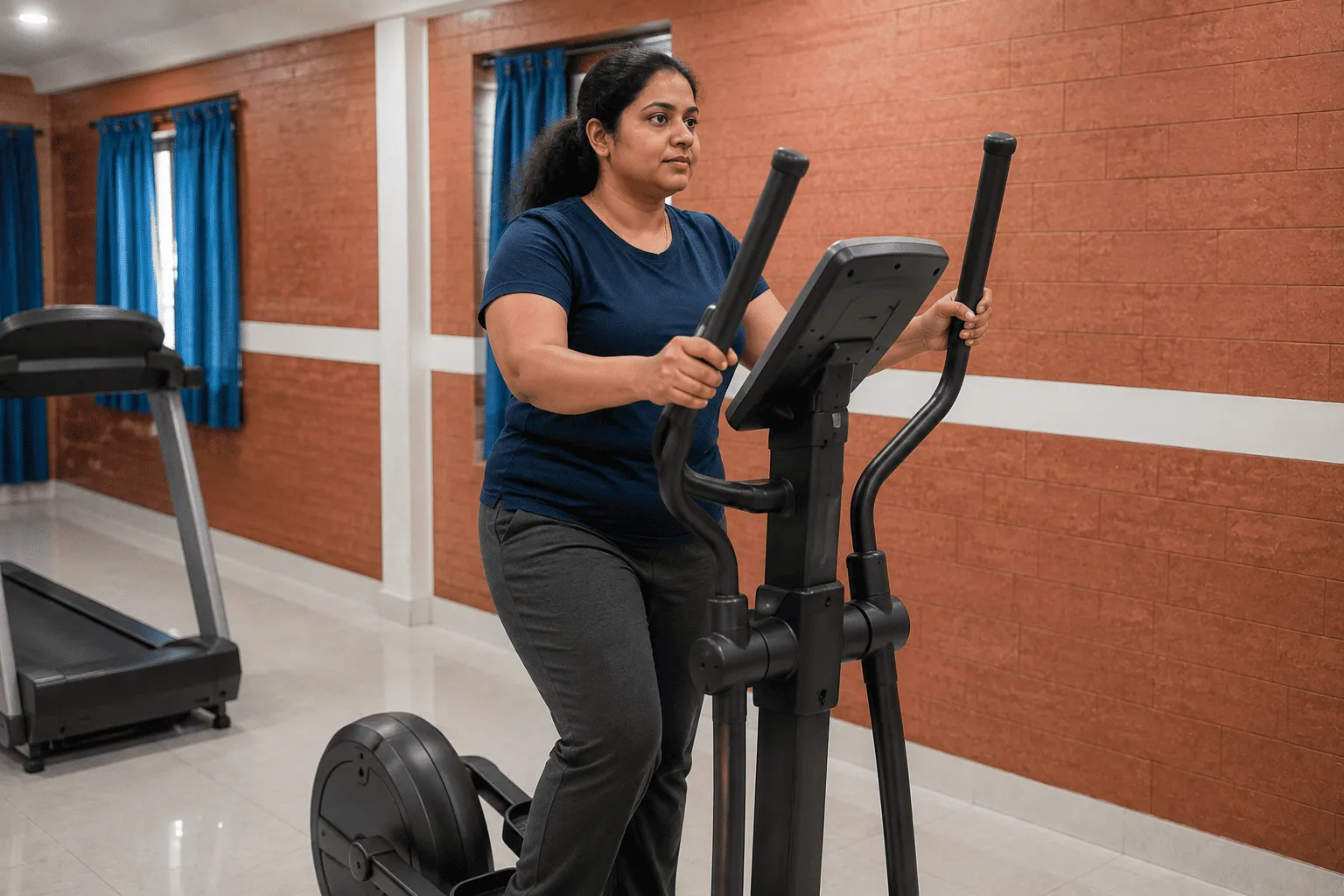
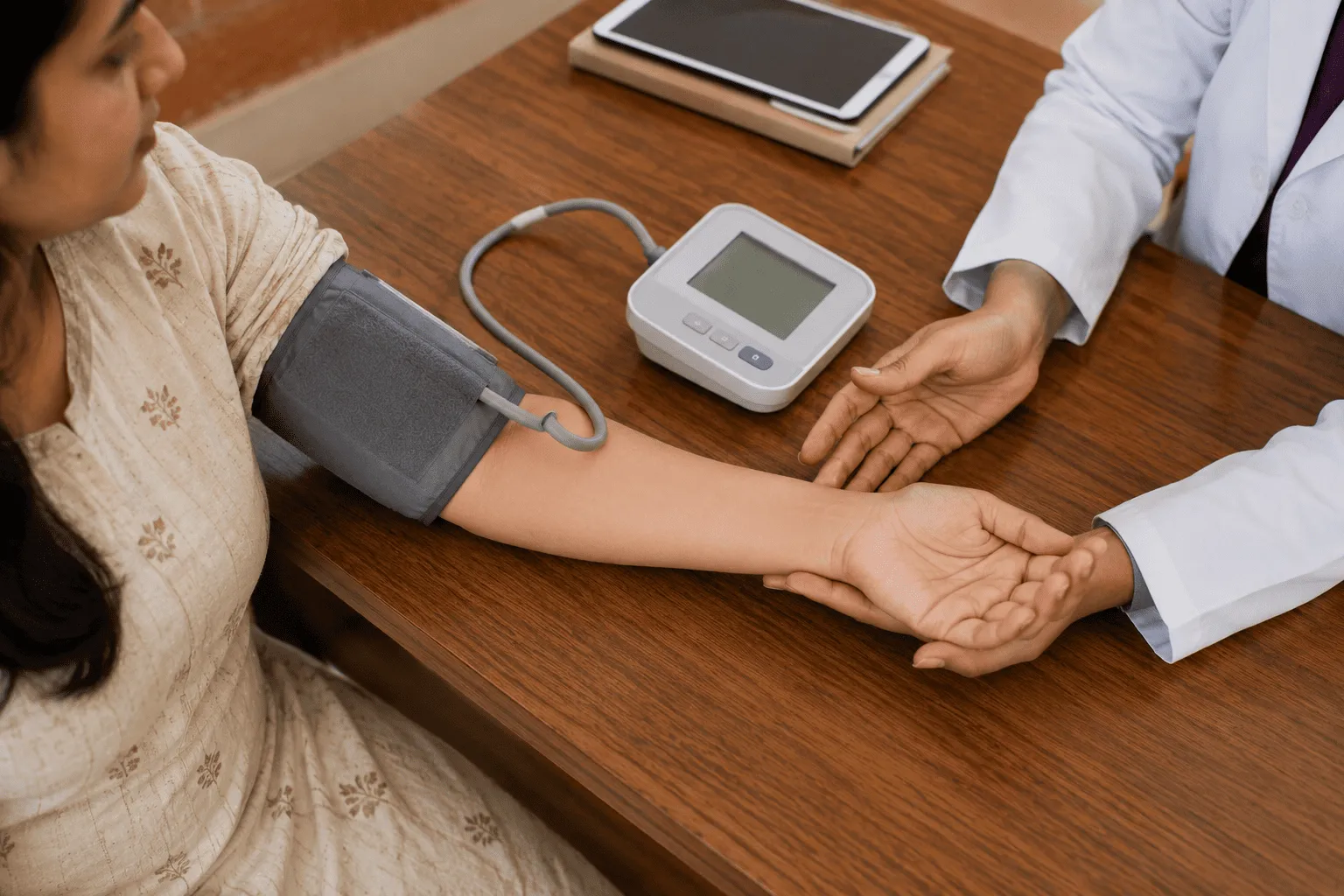
The stay begins with a doctor consultation reviewing your asthma history, current medication including any rescue inhaler use, and known triggers, since asthma severity and patterns can vary significantly between patients. Structured breathing practice forms an important part of the programme, with techniques selected according to the patient's condition, comfort, and ability. Guided movement complements this with gentle postures and practices adapted to the patient's physical capacity and respiratory comfort.
Diet correction considers the patient's individual eating patterns and any foods that they have identified as potential personal triggers. Water based sessions may also be included as part of the programme, while targeted point based practices may be considered where the treating physician identifies them as appropriate for the individual case. The daily plan is adjusted according to the patient's condition and response during the stay.
Most patients stay seven to fourteen days for bronchial asthma naturopathy treatment, allowing time to become familiar with breathing practices and establish a structured daily routine. Janani is clear that patients should continue carrying and using their prescribed rescue inhaler as directed by their physician throughout the stay. Naturopathy support for asthma is designed to complement prescribed medical treatment and should never be used as a substitute for emergency medication during an acute asthma episode.
Environmental factors within the facility, including dust and other potential triggers, are considered when planning activities for asthma patients. The timing and intensity of sessions can also be adjusted according to individual symptoms and tolerance. Breathing comfort is monitored during sessions, and practices are modified or stopped if a patient experiences increased breathlessness or discomfort.
Patients are encouraged to continue following their prescribed asthma management plan after discharge and to discuss any changes in symptoms or medication requirements with their treating doctor.
Therapies used
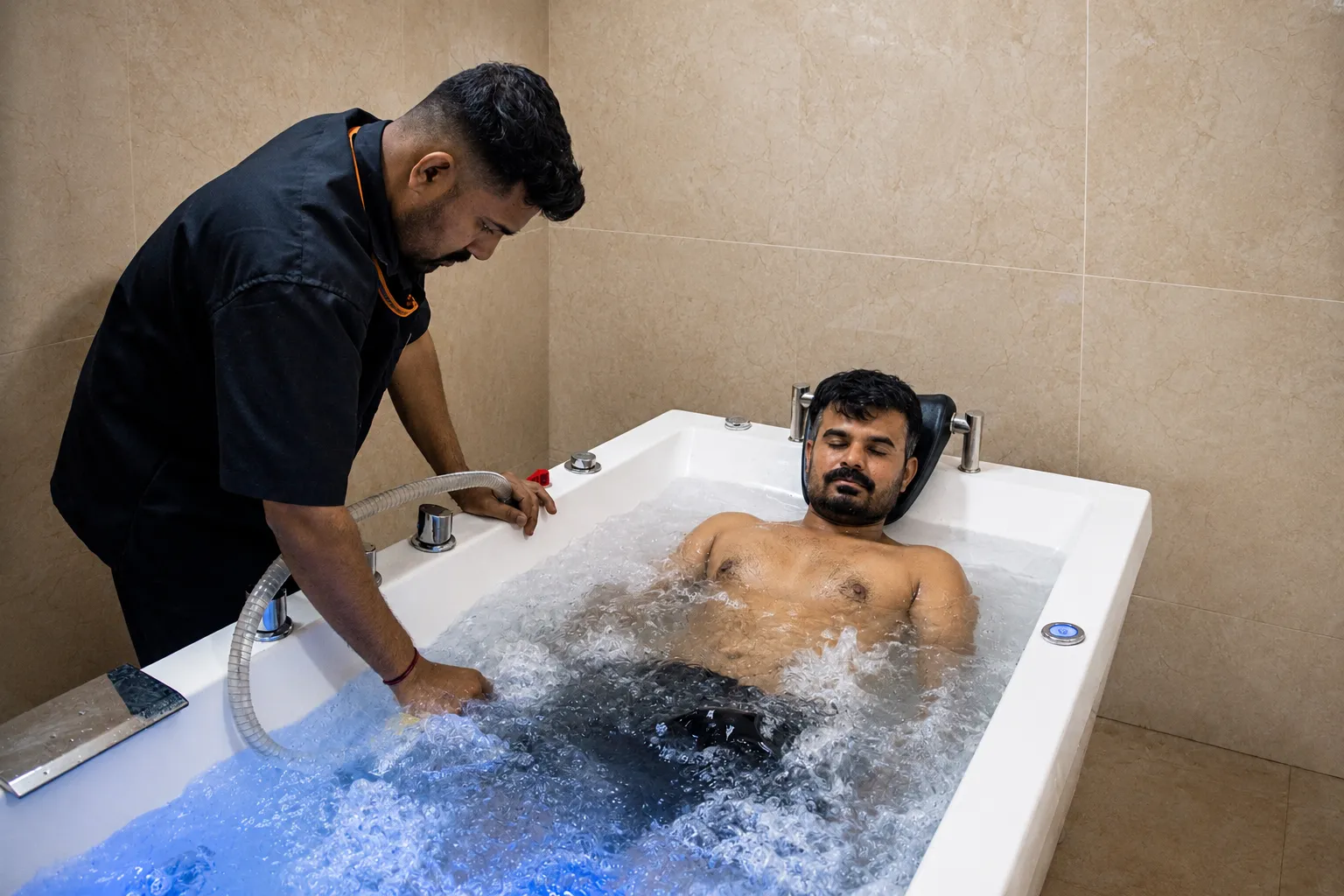
Hydrotherapy

Hot and cold water therapy used at Janani to relieve pain, improve circulation, and calm the nervous system.

Yoga Therapy

Yoga therapy at Janani uses postures and sequences chosen for the specific condition being treated, not a general fitness class.

Acupressure
Acupressure at Janani applies targeted pressure to therapeutic points as a needle free option for pain relief and circulation.

Pranayama and Breathing Therapy
Pranayama and breathing therapy at Janani is used specifically for its effect on the nervous system and lung capacity.

Diet and Nutrition Therapy
Diet and nutrition therapy at Janani is built around the diagnosis and revised as the program moves, not a printed sheet handed out on day one.