Migraine
Migraine naturopathy treatment at Janani focuses on trigger identification, stress management, and diet correction alongside prescribed medical care.



How Janani approaches it
Migraine is a neurological condition that can be associated with factors such as stress, sleep disruption, certain foods, environmental changes, or hormonal changes. Symptoms and triggers vary considerably between individuals. Migraine naturopathy treatment at Janani focuses on identifying individual triggers and developing supportive daily habits while working alongside any prescribed migraine medication rather than replacing it.
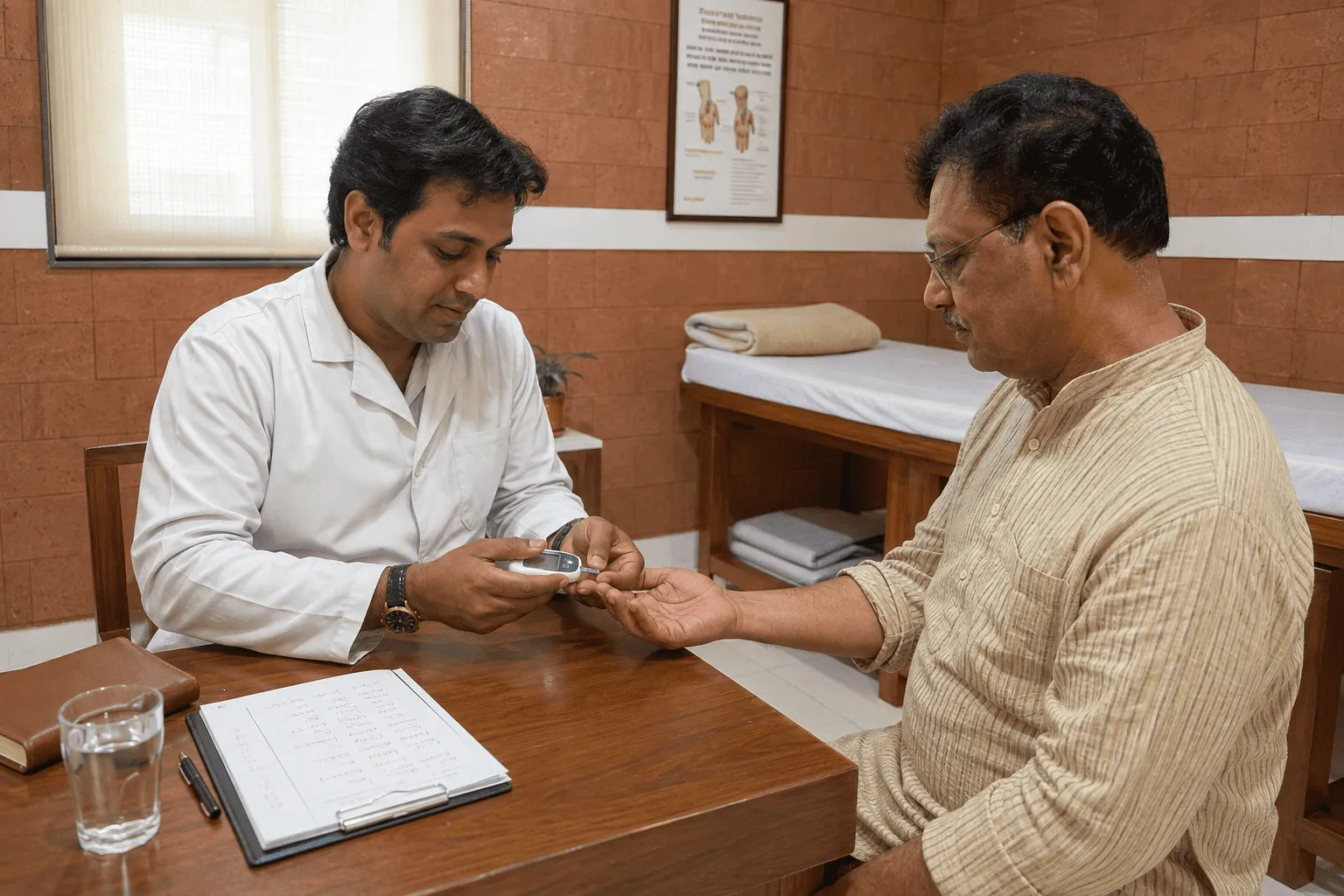
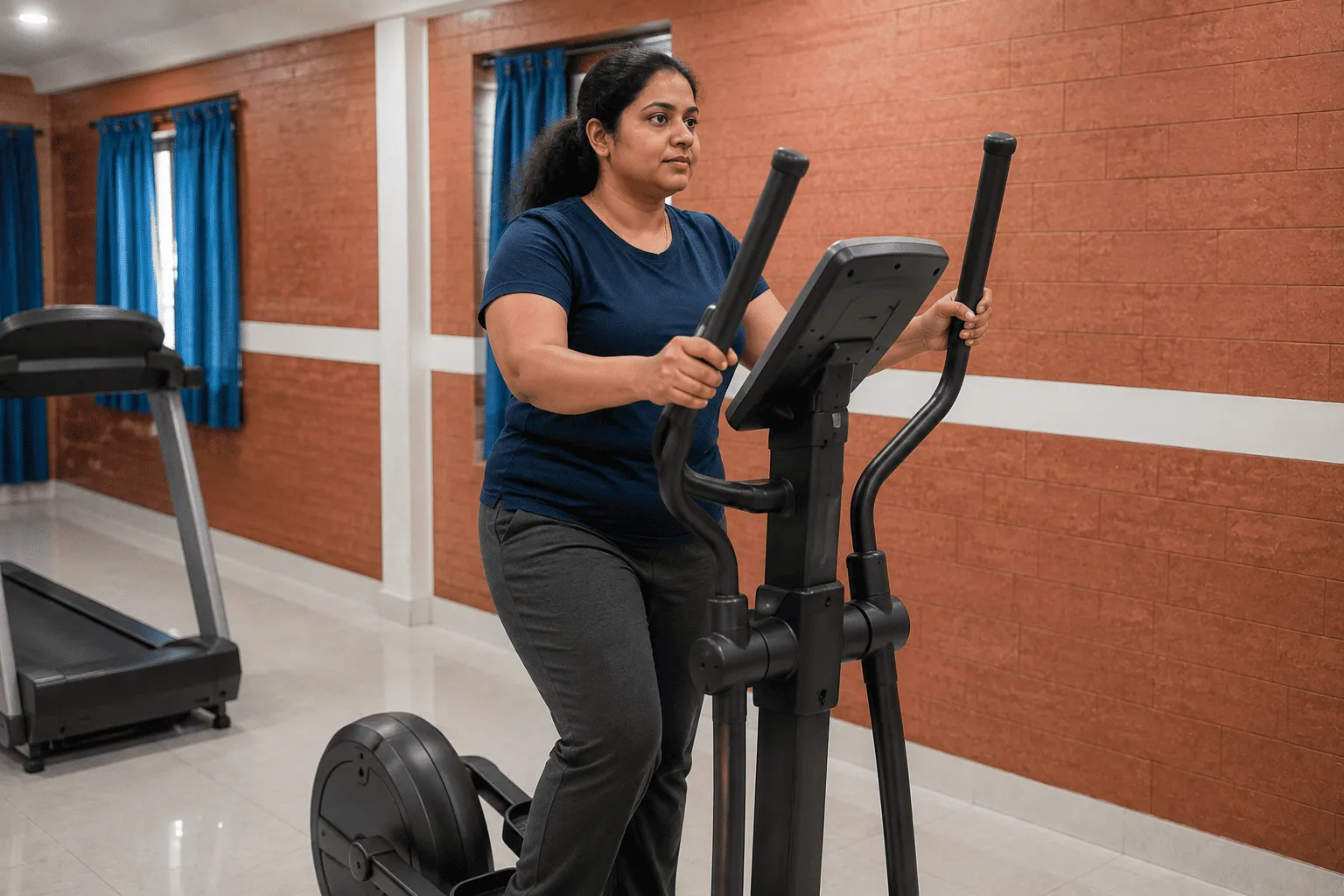
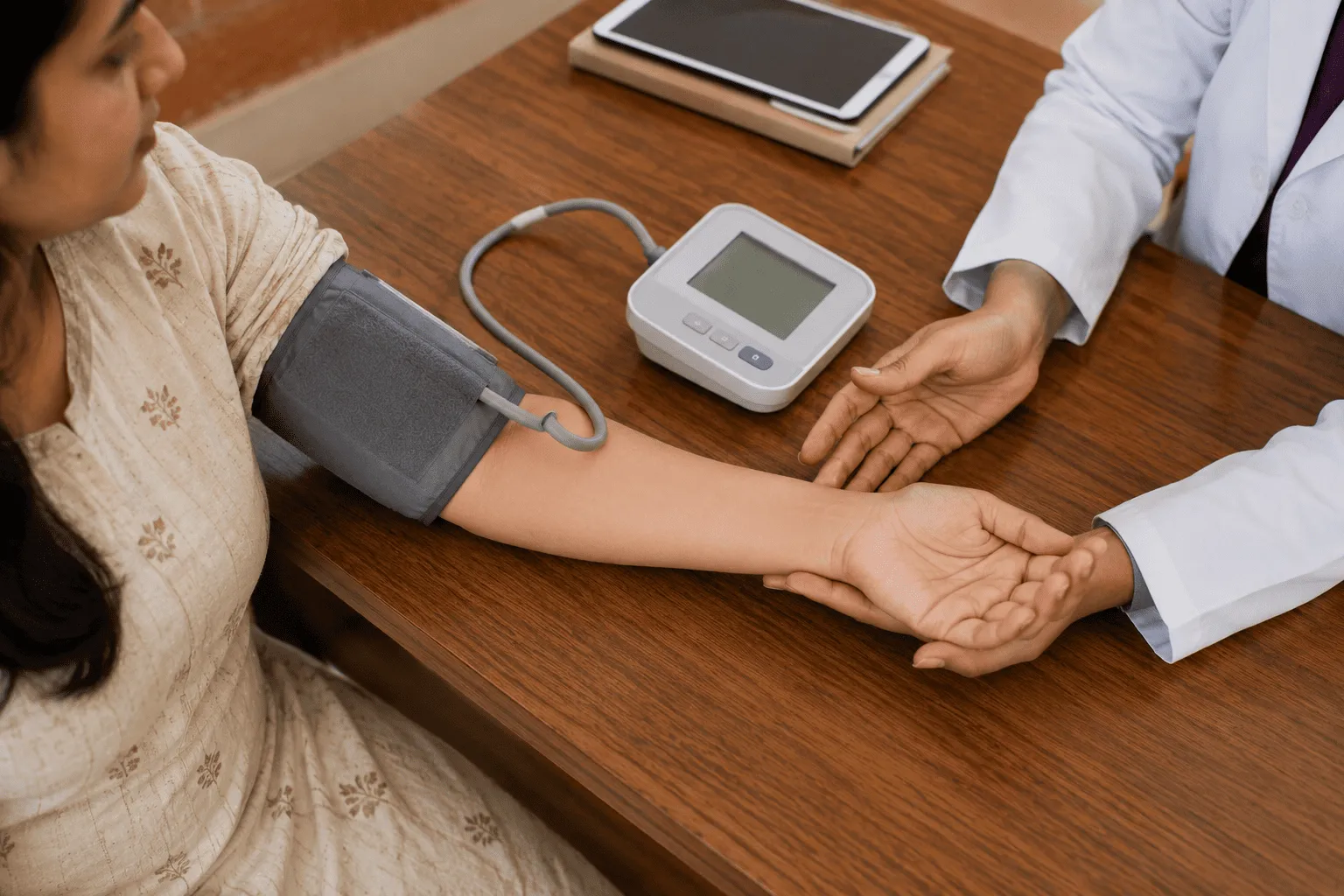
A doctor consultation at the start of the stay reviews your migraine history, frequency, known triggers, symptoms, and current medication. Guided movement and structured breathing practice form part of the daily routine, with practices selected according to the patient's condition and comfort. Diet correction can also be used to review eating patterns and identify any foods that the patient has noticed may be associated with their migraine episodes.
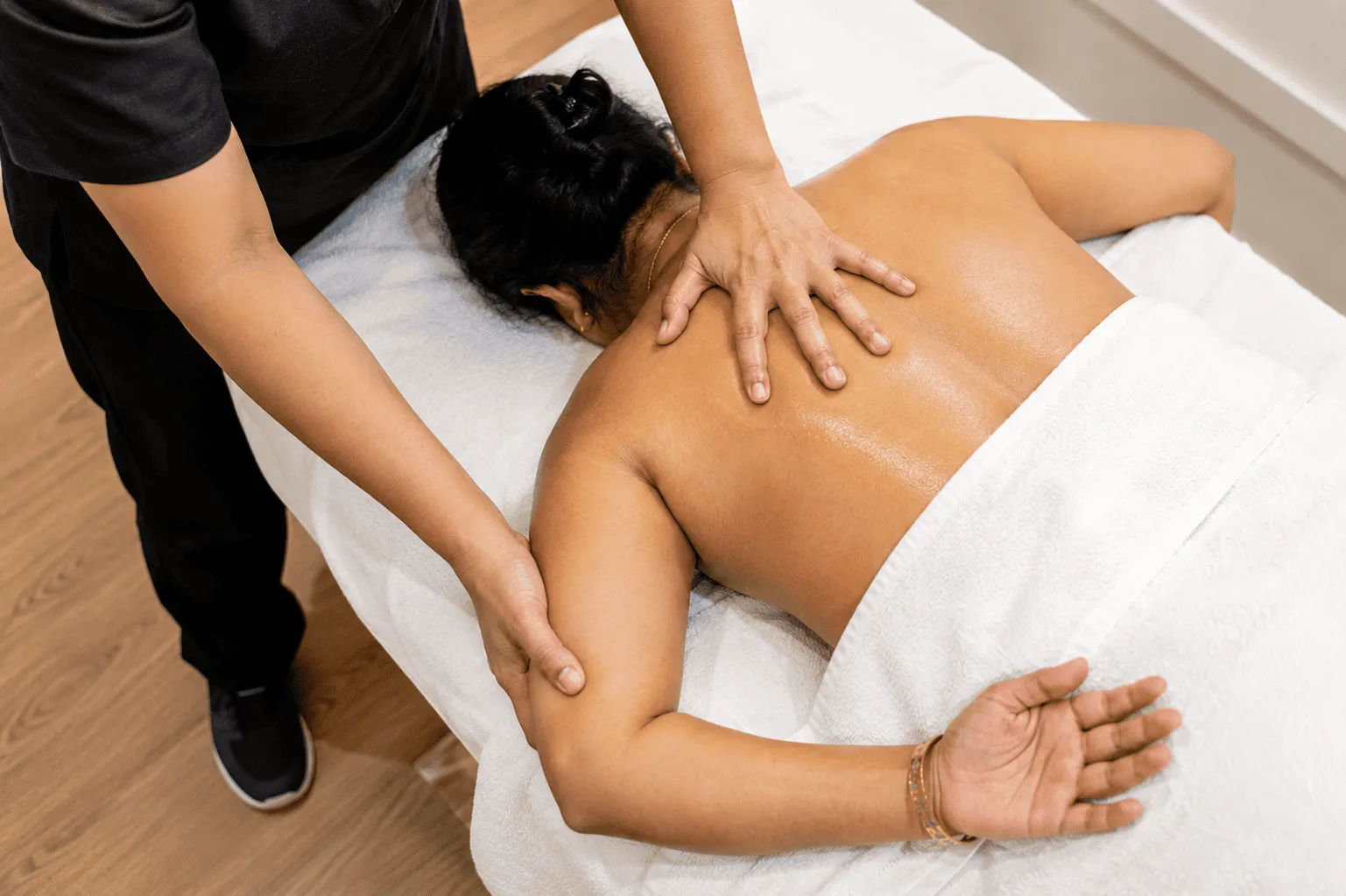
Hands on support may be used for muscular tension in the neck and shoulder area where appropriate, while targeted point based practices may be considered if the treating physician identifies them as suitable for the individual case. Sleep and consistent daily routines are also emphasized, since changes in sleep patterns can be associated with migraine episodes.
Most patients stay seven to fourteen days for migraine naturopathy treatment, allowing time to establish a structured routine and begin observing individual patterns. Janani's approach focuses on supportive lifestyle and trigger management rather than treating an acute migraine episode as a replacement for medical treatment. Patients should continue to keep and use any prescribed acute or preventive migraine medication as directed by their treating doctor.
Patients are encouraged to maintain a simple diary of possible triggers during the stay, including food, sleep, stress, and other relevant factors. This can help the patient and treating physician identify patterns that may be useful for ongoing migraine management. Continuing the diary after discharge may provide additional information over a longer period.
The programme is intended to complement appropriate neurological or medical care. Patients should continue prescribed treatment and discuss any significant changes in migraine symptoms or medication needs with their treating doctor.
Therapies used

Pranayama and Breathing Therapy

Pranayama and breathing therapy at Janani is used specifically for its effect on the nervous system and lung capacity.

Yoga Therapy
Yoga therapy at Janani uses postures and sequences chosen for the specific condition being treated, not a general fitness class.
Massage Therapy

Massage therapy at Janani is oil based, hands on work to release tension built up from months or years of strain.

Diet and Nutrition Therapy
Diet and nutrition therapy at Janani is built around the diagnosis and revised as the program moves, not a printed sheet handed out on day one.

Acupuncture
Acupuncture at Janani uses fine needles placed at specific points to address chronic pain and stress related symptoms.