


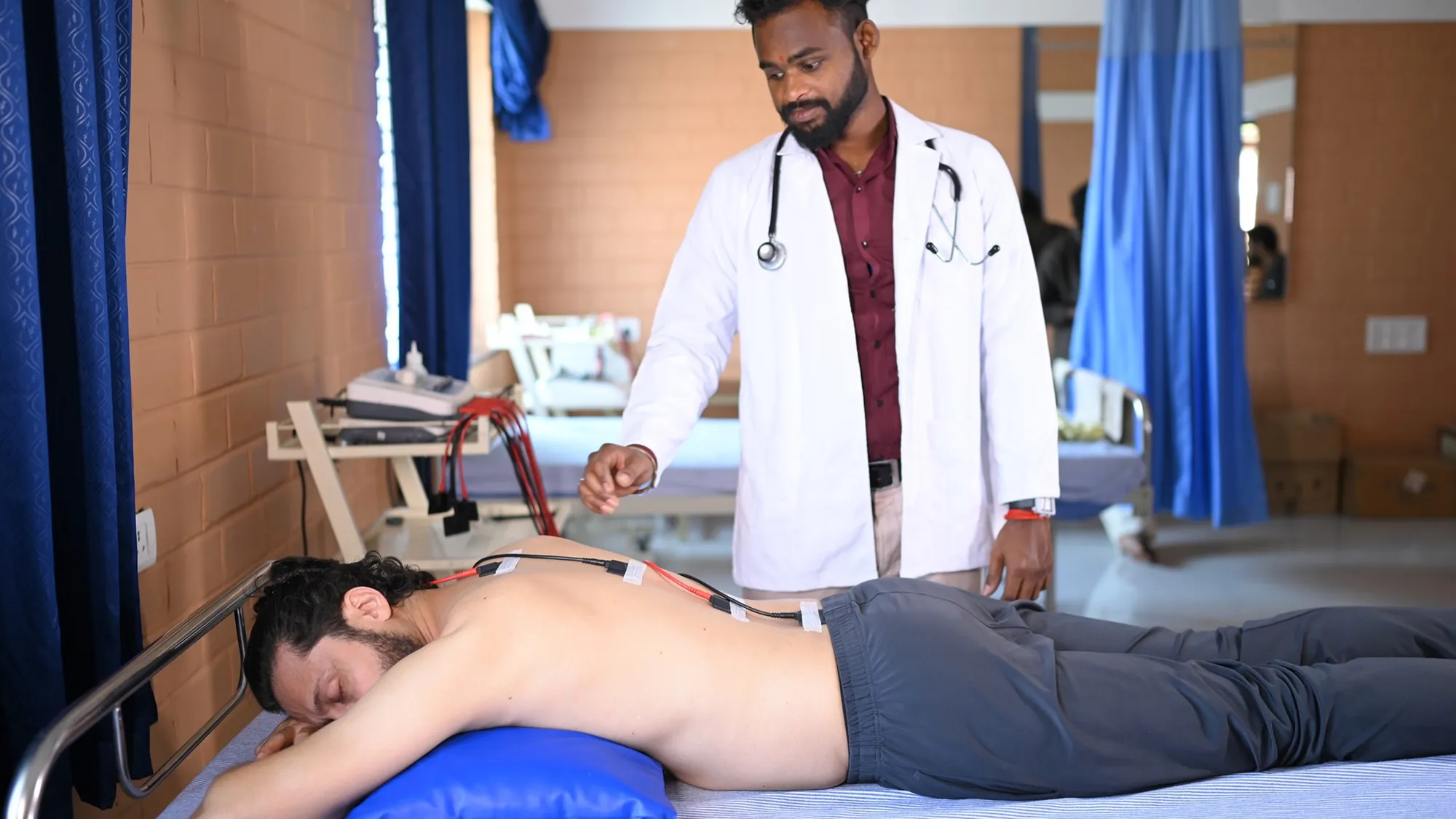
Back pain is common, but its causes can vary. Muscle strain, prolonged sitting, reduced activity, previous injury, age-related changes and certain medical conditions can all contribute to discomfort.
When pain becomes recurring or affects daily activities, people often search for natural treatment for back pain and want to know whether yoga, hydrotherapy or naturopathy can support recovery and mobility.
A responsible approach begins with understanding the cause of pain. Naturopathy and therapeutic yoga may be considered supportive options for suitable people, but severe, unexplained or rapidly worsening symptoms need appropriate medical assessment.
Why Back Pain Can Have More Than One Cause
Back pain is not one single condition. Some episodes are related to muscles and movement, while others can be associated with injuries, nerve irritation or underlying medical problems.
This is why a person should not assume that a particular stretch, massage or therapy will be suitable. The duration, location and character of pain, previous injuries and other symptoms all matter.
Once serious causes have been ruled out, a conservative plan may include appropriate movement, physiotherapy, strengthening, lifestyle changes and other supportive approaches.
Lifestyle Factors That Can Influence Back Discomfort
Long periods of sitting, limited movement and repetitive work can contribute to discomfort for some people. Rather than searching for one perfect posture, it can be helpful to vary positions and take regular movement breaks.
A practical routine may include short walks, gentle mobility exercises, appropriate strengthening and workstation adjustments. Sleep is also important because persistent pain and poor sleep can influence one another.
The goal is not to avoid all movement. For many people, gradual and appropriate activity is an important part of returning to normal function.
How Therapeutic Yoga May Support Mobility
Yoga can include stretching, strengthening, mobility, breathing and relaxation. For someone with back pain, the emphasis should be on controlled and appropriate movement rather than forcing flexibility.
A trained professional can modify practices based on pain level, mobility and physical limitations. Beginners may start with simple movements and gradually progress.
If a posture increases pain or causes new symptoms, it should not simply be pushed through. The aim is to develop confidence and safe movement, not to achieve advanced poses.
Hydrotherapy and Other Supportive Therapies
Hydrotherapy uses water-based applications within a therapeutic setting. Depending on the facility and the individual’s plan, it may be used alongside other approaches.
Water can provide a different environment for movement and may feel comfortable for some people. Other naturopathy therapies may also be considered depending on the individual’s needs.
Janani Yoga & Naturopathy Hospital presents hydrotherapy, physiotherapy, yoga and other naturopathy therapies among its treatment facilities. Any therapy should be selected based on individual suitability rather than simply because it is available.
Daily Movement, Posture and Recovery
People with recurring back pain sometimes become worried about movement. Prolonged inactivity, however, may make it more difficult to rebuild strength and confidence.
The right activity depends on the cause of the pain. Walking, mobility exercises, strengthening and therapeutic yoga may all have a role for suitable people.
At work, try to avoid staying in one position for long periods. At home, alternate tasks and take movement breaks. Small changes that can be repeated every day are often more practical than a short-lived intensive routine.
Red Flags That Need Medical Assessment
Back pain needs prompt medical attention when it is accompanied by serious symptoms such as significant weakness, loss of bladder or bowel control, numbness around the saddle area, fever, major trauma, unexplained weight loss or severe rapidly worsening pain.
People with a history of cancer, serious infection risk or significant osteoporosis may also require medical assessment.
Natural therapies should never delay urgent care when warning signs are present. The first priority is determining whether the pain is appropriate for conservative management.
What a Structured Naturopathy Program Can Offer
A residential program can provide a consistent daily routine that may include consultation, diet guidance, yoga, rest and selected therapies. This can be useful for someone who finds it difficult to make several lifestyle changes at home.
Janani Yoga & Naturopathy Hospital in Harapanahalli provides a residential setting focused on naturopathy and yoga. The value of structured care should extend beyond the stay: people should learn practical habits that they can continue at home.
The appropriate program will depend on the person’s health, mobility, symptoms and professional assessment.
Conclusion
Naturopathy for back pain is best approached as supportive, individualised care rather than a promise of a quick cure. Understanding the cause of pain, maintaining appropriate movement and developing healthier daily habits can all form part of a broader management plan.
Yoga, hydrotherapy and physiotherapy may be suitable for some people. The right combination depends on individual assessment.
For people searching for back pain management or a naturopathy hospital in Karnataka, Janani provides a residential environment in Harapanahalli. If you have persistent or severe pain, begin with appropriate assessment before starting a new therapy.
Frequently Asked Questions
Can naturopathy help with back pain?
Naturopathy may provide supportive lifestyle and therapy options for suitable people, but the cause of back pain should be assessed first.
Is yoga safe for back pain?
It can be suitable for many people when appropriately modified, but certain conditions require specific precautions and professional guidance.
Does hydrotherapy help back pain?
Hydrotherapy may be used as supportive care in some settings. Suitability depends on the person’s condition and the specific therapy.
When should back pain receive urgent attention?
Severe or rapidly worsening pain with significant weakness, bladder or bowel changes, saddle numbness, fever or major trauma requires prompt medical assessment.